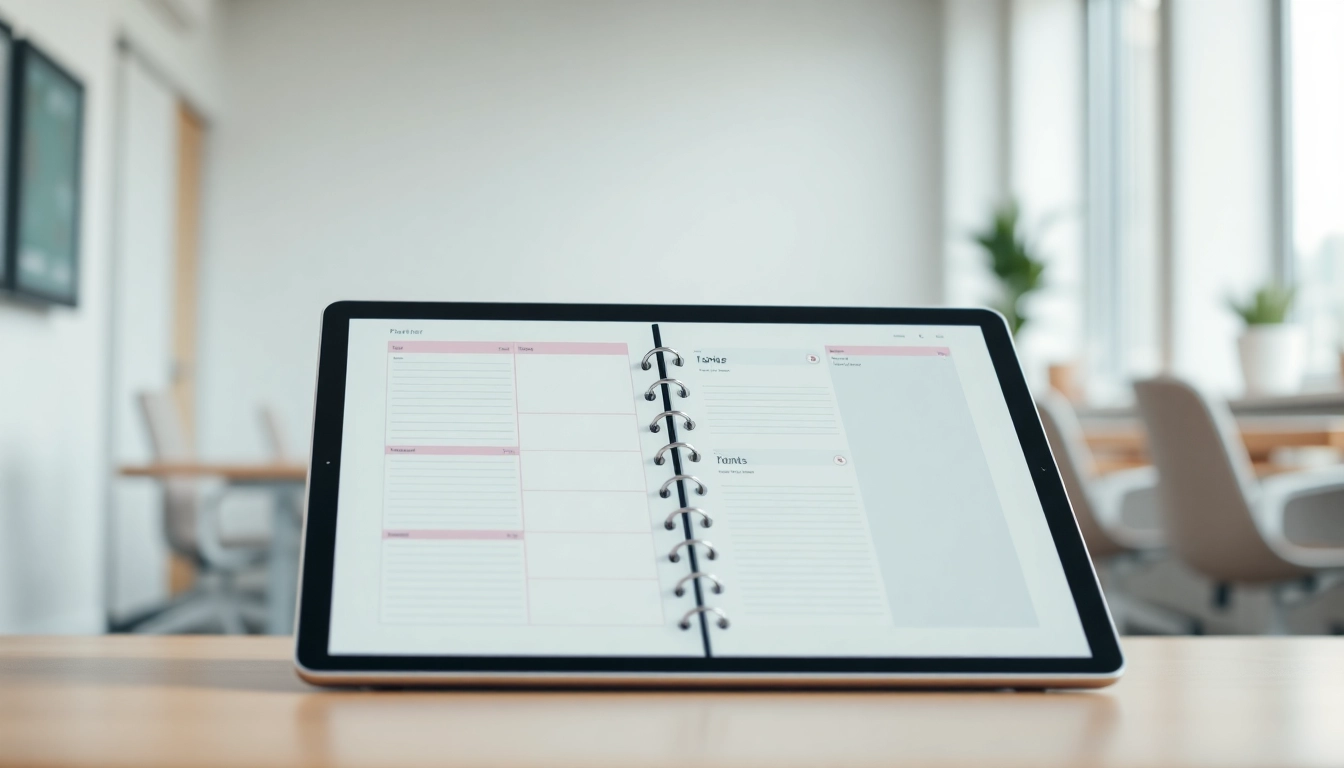
Understanding Digital Planners
Definition and Purpose
Digital planners are electronic tools developed to help individuals organize their tasks, goals, and schedules using digital devices. Unlike traditional paper planners, they provide interactive features that can enhance the planning experience. With digital planners, users can create daily, weekly, and monthly layouts, as well as specialized categories for goals, wellness, meals, and productivity. They allow for easy updates and changes, using software applications that are compatible with tablets and smartphones. This flexibility makes digital planners a valuable asset for anyone seeking to optimize their organization and productivity.
Benefits of Digital Planners
Utilizing digital planners comes with numerous advantages:
- Accessibility: Digital planners can be accessed from multiple devices, making it easy to view and edit plans on-the-go.
- Customization: Users can personalize their layouts, colors, and templates according to their preferences and needs.
- Integration: Digital planners can sync with other digital tools and applications, keeping everything interconnected for seamless planning.
- Environmentally Friendly: Reducing the need for paper usage contributes to better environmental sustainability.
- Multimedia Features: Users can include images, links, and multimedia notes, enriching their planning experience.
Choosing the Right Digital Planner
When selecting a digital planner, consider the following factors:
- User Interface: Look for planners with an intuitive and user-friendly design that suits your workflow.
- Compatibility: Ensure that the digital planner works well with your devices and preferred applications (such as GoodNotes or Notability).
- Features: Determine which features are essential for you, such as goal tracking, calendar integrations, or meal planning tools.
- Templates: Evaluate the variety and customization options for templates that the planner offers.
- Support and Community: Consider planners that come with support resources, tutorials, and a community for sharing ideas and templates.
Features of Effective Digital Planners
Templates and Customization
Templates are a core feature of effective digital planners, as they provide users with a framework to build upon. A well-designed digital planner should offer:
- Diverse Options: Users should have access to various templates applicable to daily, weekly, and monthly planning as well as special categories like fitness, finances, or projects.
- Easy Customization: The ability to modify templates, such as changing colors, fonts, and layouts, makes the planner feel personalized and increases usability.
- Interactive Elements: Effective digital planners may incorporate interactive elements where users can click to navigate between sections, making planning intuitive and user-friendly.
Task Management Tools
Digital planners may include integrated task management tools, which are vital for helping users maintain focus on priorities. Key features may include:
- To-Do Lists: This feature enables users to create and manage tasks efficiently, allowing them to check off items as they complete them.
- Reminders and Notifications: Setting reminders for important tasks or deadlines can prevent missed opportunities and keep users accountable.
- Progress Tracking: Many planners provide a means to track the completion status of tasks, offering visual cues such as progress bars or percentages.
Integration with Apps
A feature that greatly enhances the functionality of digital planners is their ability to integrate with other applications. This can take several forms:
- Calendar Syncing: Linking the planner with calendar apps allows synchronizing events and appointments seamlessly.
- Cloud Storage: Utilizing cloud solutions such as Google Drive or Dropbox provides secure backup and easy access to planner files from multiple devices.
- Task Management Apps: Integrating with task management software (like Todoist) can streamline processes and ensure tasks are not duplicated or overlooked.
Best Practices for Using Digital Planners
Daily Planning Techniques
To make the most of a digital planner, implementing effective daily planning techniques is crucial. Here are some strategies to optimize your use:
- Morning Review: Spend a few minutes each morning reviewing your tasks and objectives for the day. This will help set a clear intention and focus your efforts.
- Time Blocking: Dedicate specific time slots for different tasks or activities, making it easier to manage your time efficiently throughout the day.
- Regular Updates: Keep your planner updated in real-time to accurately reflect changes in your schedule or tasks.
Setting Goals with Digital Planners
Setting and tracking personal or professional goals is simplified within digital planners. Consider the following approaches:
- SMART Goals: Ensure your goals are Specific, Measurable, Achievable, Relevant, and Time-bound for structured planning.
- Visual Reminders: Use charts or graphs in your planner to visualize your progress towards goals, which can boost motivation.
- Break Goals into Tasks: Deconstruct larger goals into smaller, manageable tasks within your planner to avoid feeling overwhelmed.
Reviewing Your Progress
Regularly evaluating your progress is key to staying on track. Implement methods such as:
- Weekly Reviews: Schedule a weekly review to assess the tasks completed and determine adjustments needed for the following week.
- Visual Tracking: Utilize graphs or progress bars to monitor your goals and tasks effectively.
- Reflect and Adjust: Reflect on what worked well and what didn’t in your planning routine; adjust as necessary to enhance productivity.
Overcoming Challenges in Digital Planning
Common Pitfalls and How to Avoid Them
Despite their benefits, users may encounter challenges while using digital planners. A few common pitfalls include:
- Simplicity: Some users may underestimate the vast functionalities of digital planners and stick to basic features. Explore all options to maximize use.
- Overcomplication: Packing too many features can lead to confusion; it’s vital to streamline usage based on individual needs.
- Neglect: Without regular engagement, planners may be abandoned. Set reminders to update and review plans frequently.
Staying Consistent with Your Planner
Consistency is key to successful planning. Here are some tips to maintain an ongoing routine:
- Daily Habits: Incorporate planner updates into your daily routine to create a habit; this can include morning briefings or nightly reviews.
- Set Reminders: Utilize app notifications to prompt you for planner sessions, ensuring consistent engagement.
- Accountability: Share your goals and plans with a friend or mentor to foster accountability and encourage regular updates.
Adapting to Changes in Routine
Life is unpredictable, and changes in routine are inevitable. Effective adaptation can involve:
- Flexible Planning: Choose digital planners that allow you to adjust layouts and tasks quickly.
- Stay Open to Changes: Cultivate a mindset that embraces change, adjusting your plans accordingly to accommodate new situations.
- Reassessment: Periodically reassess your goals and the methods of completing them to ensure they remain relevant and achievable.
FAQs About Digital Planners
Are digital planners better than paper planners?
Digital planners offer unique advantages, such as accessibility across multiple devices and customizable templates. However, paper planners may be preferred by those who enjoy tactile writing. It's about personal preference.
Can I customize digital planners for my needs?
Yes, many digital planners allow customization. Users can modify layouts, add templates, and even import personalized elements to suit their specific organizing needs.
What devices are suitable for digital planners?
Digital planners are designed for use on tablets, smartphones, and PCs. Popular apps like GoodNotes and Notability work best on iPads, while various Android and desktop options exist as well.
How do I transition from paper to digital planners?
To transition, start by familiarizing yourself with a digital planner app. Recreate layouts and templates you like from paper in the app. Gradually, shift your planning digitally to become comfortable.
Are there free digital planner options available?
Yes, many free digital planner templates are available online. These can be downloaded and utilized within apps like GoodNotes or Notability, making them accessible for anyone interested in digital planning.