When considering home improvements, the choice of doors can significantly influence the overall aesthetics, security, and energy efficiency of a property. Among various options available in the market, upvc doors have gained considerable popularity due to their unique characteristics and benefits. This article will delve deeply into everything you need to know about uPVC doors, providing insights that will empower you to make informed decisions for your home or business.
Understanding uPVC Doors
What are uPVC Doors?
uPVC stands for unplasticized polyvinyl chloride, a type of rigid plastic that is highly durable and versatile. Unlike traditional PVC, uPVC does not contain plasticizers which makes it less flexible but significantly stronger and more robust. This material is commonly used for windows and doors and has become a go-to choice for homeowners seeking a long-lasting and low-maintenance solution.
Benefits of uPVC Doors
- Durability: uPVC doors are resistant to rot, corrosion, and fading, meaning they can withstand the elements much better than wood or metal doors.
- Energy Efficiency: Their insulation properties help maintain indoor temperatures, reducing heating and cooling costs.
- Security: With advanced locking mechanisms, uPVC doors offer enhanced security, preventing unauthorized access.
- Low Maintenance: Unlike wooden doors that require periodic painting, uPVC doors just need occasional cleaning.
- Variety of Styles: Available in multiple colors and designs, uPVC doors can complement any home aesthetic.
Common Styles of uPVC Doors
uPVC doors come in various styles to suit different needs:
- Front Doors: Typically designed for high security and aesthetic appeal.
- Back Doors: Often simpler and more functional, focusing on security.
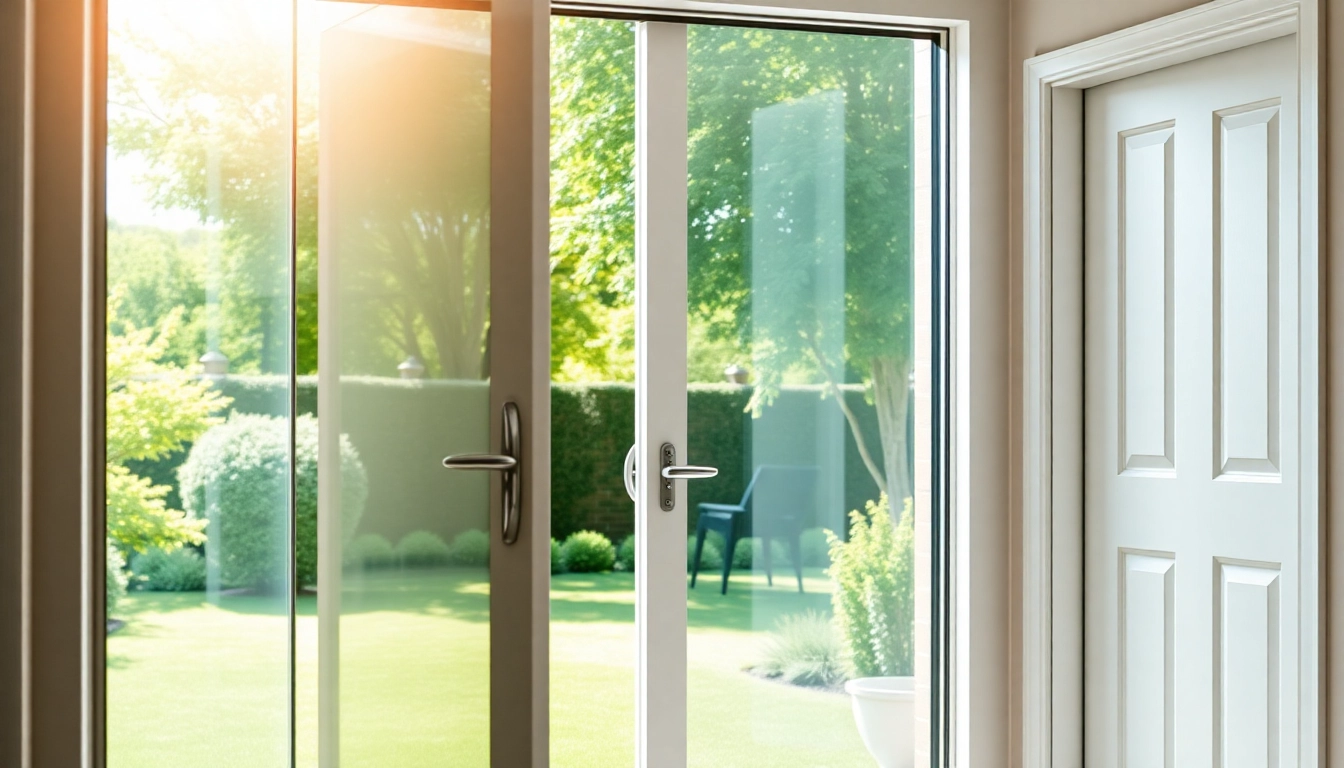
- Sliding Doors: Ideal for space-saving solutions, suitable for patios.
- French Doors: Offering an elegant touch, these doors can open into gardens or spacious areas.
Comparing uPVC Doors to Other Materials
uPVC Doors vs. Wood Doors
While wooden doors offer a classic look, they require extensive maintenance. Wood can warp, rot, and become infested with pests. In contrast, uPVC doors are water-resistant and do not swell or shrink with moisture, making them a more practical choice for wet climates.
uPVC Doors vs. Aluminum Doors
Aluminum doors are lightweight and strong; however, they are prone to corrosion and are less energy efficient than uPVC doors. uPVC’s superior insulation properties make it a better choice for energy efficiency, keeping homes warmer in winter and cooler in summer.
Cost Effectiveness of uPVC Doors
While the initial investment for uPVC doors might be slightly higher than basic wooden doors, their longevity and low maintenance requirements often result in lower overall costs in the long run. Over time, the durability and energy efficiency contribute to significant savings on utility bills and repair costs.
Installation of uPVC Doors
DIY vs. Professional Installation
Installing uPVC doors can be a DIY project for those with experience, but there are benefits to hiring professionals. Professional installation ensures the correct fitting, which is crucial for security and energy efficiency. A poor installation job can lead to drafts and security vulnerabilities.
Preparation for Installation
Prior to installation, it is essential to measure the doorway accurately and ensure that the frame is in good condition. Remove any old doors and clear the workspace to facilitate a smooth installation process.
Post-Installation Care for uPVC Doors
Once installed, check the seal around the frames regularly to ensure there are no gaps. A good seal is important for weather resistance and energy efficiency. It is also advisable to test the locks and handles to ensure everything functions correctly.
Maintenance Tips for uPVC Doors
Cleaning Your uPVC Doors
Cleaning uPVC doors is straightforward. Use a mild detergent and water solution to wipe down surfaces, and avoid abrasive cleaners that can scratch the material. Regular cleaning keeps the door looking new and prevents buildup of grime and stains.
Troubleshooting Common Issues
Common issues with uPVC doors include sticking hinges or locks. Lubricating hinges periodically can prevent these problems. Additionally, check for misalignment and adjust as necessary to ensure smooth operation.
Long-Term Maintenance Strategies
Conducting annual inspections can help catch potential issues early. Monitoring the condition of seals and frames ensures continued energy efficiency and weather resistance.
FAQs about uPVC Doors
What is the difference between a PVC door and a uPVC door?
The primary difference is that uPVC is unplasticized, making it more durable and rigid compared to regular PVC, which is softer and more flexible.
Are uPVC doors suitable for all climates?
Yes, uPVC doors are designed to withstand varying weather conditions, including heat, cold, and moisture, making them suitable for most climates.
How energy-efficient are uPVC doors?
uPVC doors are highly energy-efficient due to their insulating properties, helping maintain indoor temperature and reduce heating and cooling costs.
Can I paint my uPVC door?
Yes, uPVC doors can be painted, but it requires specific preparation and a special type of paint designed for plastic surfaces to ensure adherence and durability.
What is the lifespan of uPVC doors?
With proper care, uPVC doors can last for 20 years or more, making them a long-term investment for any home.