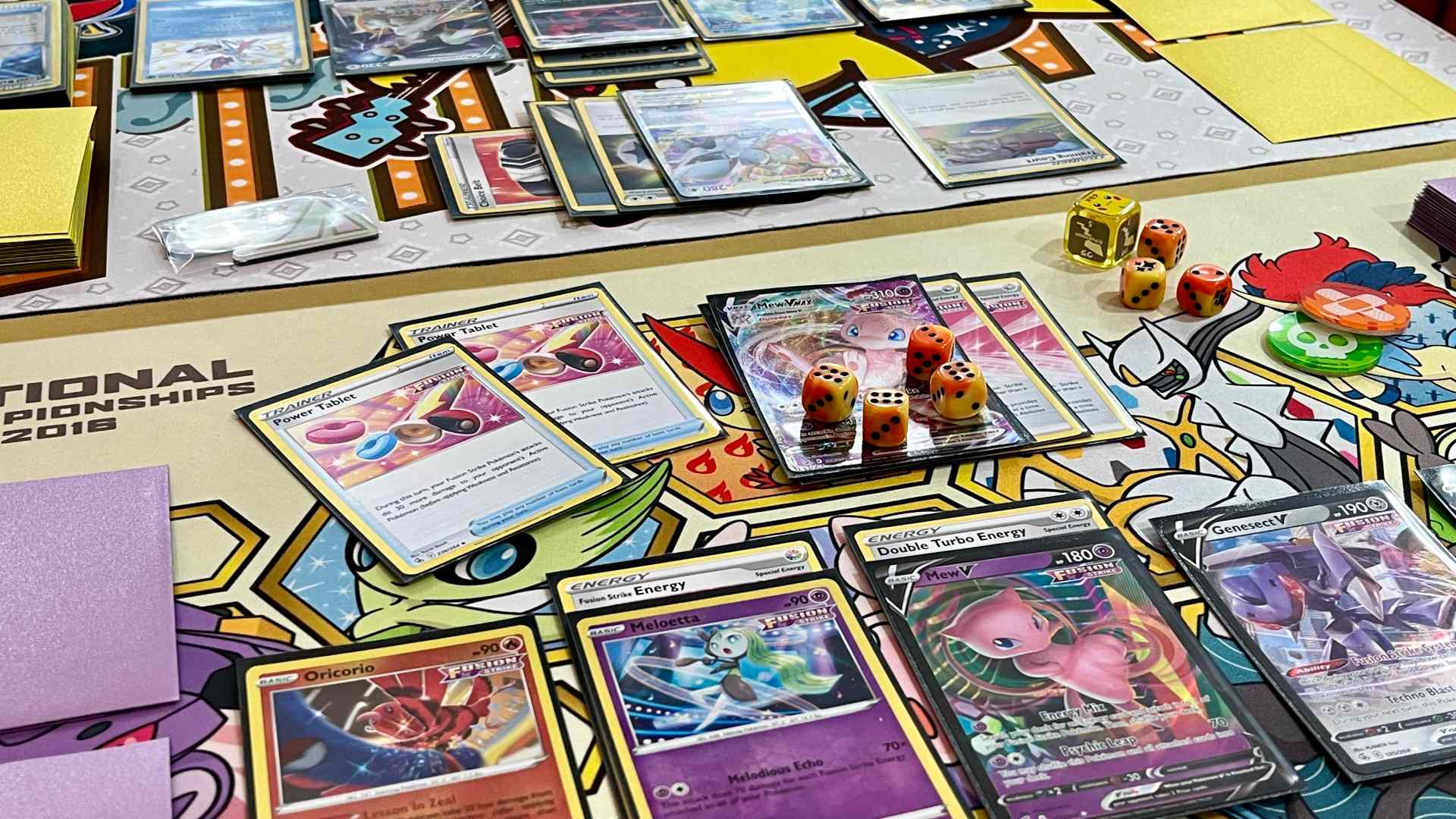
Understanding Trading Cards
What Are Trading Cards?
Trading cards, often referred to as collectible cards, are small pieces of card stock or thick paper with images, statistics, and various information related to a subject such as a person, organization, or character. Initially created for various forms of entertainment and sport, Trading cards have become a hobby and a marketplace in their own right, drawing collectors, enthusiasts, and investors alike.
History and Evolution of Trading Cards
The history of trading cards dates back to the late 19th century, specifically around the time of the American Civil War. But they gained significant popularity in the early 20th century with the introduction of baseball cards made by cigarette brands. Over the decades, the medium has evolved with advancements in printing technology and digital platforms, leading to the creation of multi-genre cards, from sports to pop culture, and tabletop gaming. The emergence of online marketplaces and social media has further expanded the reach and appeal of trading cards, turning casual collecting into a thriving business.
Types of Trading Cards Available
Trading cards encompass a wide variety of types, each catering to different interests and demographics. The major categories include:
- Sports Cards: These are perhaps the most recognizable, featuring athletes from various sports. They often include statistics and career highlights.
- Gaming Cards: Cards from popular card games like Magic: The Gathering, Pokémon, and Yu-Gi-Oh! are immensely popular among gamers and collectors.
- Entertainment Cards: Featuring characters from movies, television shows, and cartoons, these cards appeal to fans of various franchises.
- Non-Sport Cards: This category includes a broad array of card types, including historical figures, celebrities, and more.
Getting Started with Trading Cards
Choosing Your First Trading Cards
When selecting your first set of trading cards, it’s important to consider your interests. Do you lean more towards sports, fantasy games, or perhaps collectible movie memorabilia? Start by researching popular sets within your area of interest. Consider checking online forums, collector’s guides, and trading card communities for insights. Choosing a theme or category can help direct your collection efforts and make it more enjoyable.
Where to Buy Trading Cards
As a beginner, knowing where to buy trading cards is crucial. Local hobby shops often have a selection of trading cards and can provide valuable advice. Online platforms also offer extensive collections, allowing easy comparisons of prices and varieties. Always ensure you purchase from reputable sellers to avoid counterfeit products. Additionally, attending trading card conventions can provide opportunities to buy cards from other collectors.
Essential Supplies for Collecting Trading Cards
Apart from the cards themselves, collecting requires a few essential supplies. Investing in quality storage solutions is key to preserving your collection. Top loaders, sleeves, and binders specifically designed for trading cards will help maintain their condition. Also, consider obtaining a magnifying glass for examining card conditions and a digital scale for weighing cards if necessary. Keeping a checklist of your collection can also enhance the organizational aspect of your hobby.
Valuing Your Trading Cards
Factors Influencing Trading Cards Value
Valuing trading cards can be both subjective and influenced by various factors. Rarity, condition, demand, and player performance (for sports cards) can significantly affect a card's worth. Generally, the fewer available a card is, the more valuable it can be, particularly if it’s in pristine condition. Historical significance or the presence of iconic figures on the card can also escalate its market value.
How to Appraise Trading Cards Accurately
When appraising your trading cards, consider researching recent sales of identical cards through online marketplaces. Professional appraisal services can also provide accurate evaluations. It is advisable to become familiar with grading systems used in the trading card industry, such as the PSA (Professional Sports Authenticator) grades, which range from 1 (Poor) to 10 (Gem Mint). These grading assessments can significantly impact a card's sale price.
Market Trends in Trading Cards
Trading card markets are dynamic and can shift rapidly based on trends, player performances, and cultural events. Keeping an eye on emerging trends—such as the rising popularity of digital collectibles—and understanding seasonal peaks during sports seasons can assist collectors and investors alike in making informed purchases. Engaging with the community and monitoring exchanges regularly can also help you remain astute in your trading strategies.
Building a Trading Cards Collection
Strategies for Collecting Trading Cards
To create a worthwhile collection, consider approaching it with strategy. Start by defining a goal for your collection—whether it’s to complete a series, collect a certain brand, or focus on high-value cards. Diversifying your collection can provide stability against volatility in the market. Set a budget for your collecting activities, monitor deals, and remain patient, as valuable cards often surface at unpredictable moments.
Finding Rare Trading Cards
Rare trading cards can often be the crown jewel of a collection. Networking is key; establish connections with other collectors through social media platforms, join dedicated forums, and participate in trading events. Auctions can also unveil rare opportunities, but proceed with caution and conduct prior research. Often, extensive digging is required to find cards that are not listed on common trading platforms.
Caring for Your Trading Cards
Proper care of your cards is essential for maintaining their value. Store them in controlled environments where temperature and humidity are regulated to prevent damage. Avoid exposing them to direct sunlight, which can cause fading. Regularly inspect your collection for wear and tear, handle them with clean hands, and use professional-grade storage solutions. Proper maintenance can significantly enhance the longevity and value of each card.
Engaging with the Trading Cards Community
Joining Trading Cards Groups and Forums
The trading cards community is vast and welcoming to both newcomers and seasoned collectors. Joining online groups and forums can provide invaluable resources for education, buying, selling, and trading. It's beneficial to partake in discussions or share insights, which can lead to connecting with other collectors. This interaction can also help you gain access to card trades and rare finds not readily available to the public.
Participating in Trading Cards Events
Participating in trading card conventions, expos, and tournaments can be a great way to immerse yourself in the culture. These events offer opportunities for networking, trading, and learning from experienced collectors. You can also find rare cards and merchandise exclusive to the events. Make it a point to attend events regularly, as they can significantly enrich your collecting experience and knowledge.
Sharing Your Trading Cards Journey Online
Documenting your collecting journey through blogs, social media, or vlogs can be a fulfilling experience. Sharing your passion can also connect you with others who share similar interests. It’s an excellent way to showcase your collection, get feedback, and encourage discussions. Many collectors have found a supportive community online where experiences, challenges, and successes can be shared and celebrated.
Frequently Asked Questions
What should I do if my trading cards are damaged?
If your trading cards are damaged, assess the damage first. Depending on severity, you might be able to professionally restore them or just store them safely as is. Always handle with care to avoid further damages.
How do trading card grading systems work?
Trading card grading systems evaluate card conditions and assign a grade, typically from 1 to 10. Scores reflect the card's physical state, considering factors like corners, edges, surface, and centering.
Can I trade cards with other collectors safely?
Yes, trading cards can be done safely. Use trusted platforms or trade in person at events. Always evaluate the condition of the cards you're trading to ensure fairness.
What are the key things to look for when buying cards?
When buying cards, examine their condition, rarity, and authenticity. It's essential to research market value and ensure you're purchasing from reputable sellers.
How can I start a trading card business?
To start a trading card business, research the market thoroughly, develop a niche, and create a clear business plan. Utilize online marketing and social platforms to reach potential customers effectively.