Understanding Japanese Knotweed
What is Japanese Knotweed?
Japanese Knotweed (Fallopia japonica) is an invasive perennial plant native to East Asia. It features hollow stems resembling bamboo, large heart-shaped leaves, and significant growth potential, capable of reaching heights up to 10 feet. Additionally, its extensive root system can spread extensively underground, making it notoriously difficult to eradicate. The plant is often mistaken for others due to its aesthetic appeal, leading to its unintentional cultivation in gardens and landscaping.
The Impact of Japanese Knotweed
This formidable plant poses numerous threats to ecosystems and human infrastructure. Ecologically, Japanese Knotweed displaces native plant species, undermining local biodiversity. Its rapid growth hinders the growth of surrounding plants, preventing sunlight from reaching them. Economically, properties infested with Japanese Knotweed face challenges in sales, as many mortgage providers and insurance companies flag it as a risk, lowering property values significantly. Its ability to damage building foundations and flood defenses adds to the urgency of its removal.
Identifying Japanese Knotweed
To effectively address infestations, proper identification is crucial. Japanese Knotweed is recognizable by its zigzag pattern on its stems and its clustered, broad leaves. During late summer, it develops small white flowers that can further aid in identification. Awareness of these characteristics can help homeowners and property managers notice the plant early and act promptly. Proper identification is the first step before considering any Japanese Knotweed Removal methods.
Methods for Japanese Knotweed Removal
Manual Removal Techniques
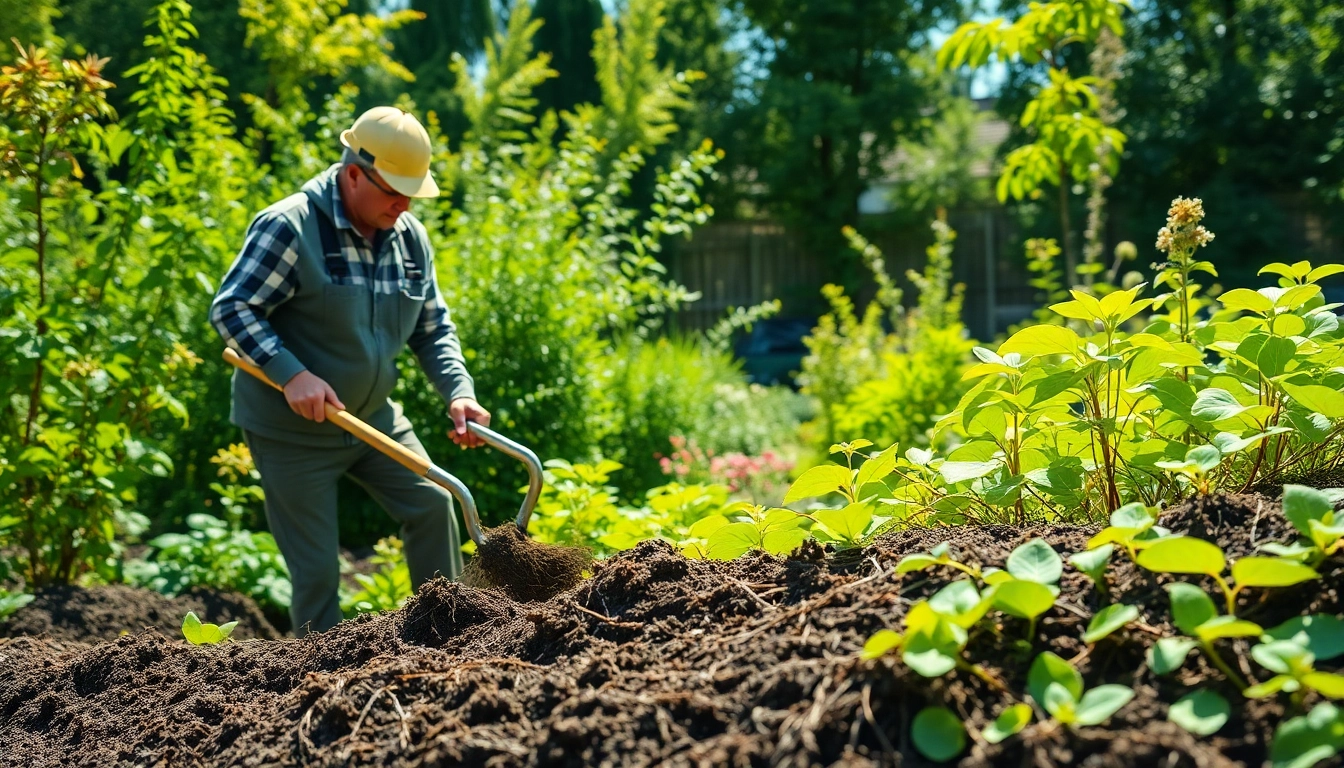
Manual removal of Japanese Knotweed can be effective, particularly for smaller infestations. This method involves digging out the entire root system, known as rhizomes. Early spring and late autumn are the best times for this method, as the plant is more vulnerable. When manually removing the plant, it’s crucial to dispose of the removed material appropriately; many local regulations dictate that it must be taken to a landfill licensed for invasive plants.
Chemical Solutions for Removal
Chemical treatments involve the use of herbicides, particularly those containing glyphosate. This non-selective herbicide effectively penetrates the plant's system, targeting the roots. Timing is paramount; applying herbicides during the plant's active growth phase in late summer yields the best results. However, care should be taken to follow guidelines to minimize environmental impact and comply with local regulations regarding chemical use.
Best Practices for Effective Eradication
To achieve long-term success in Japanese Knotweed removal, a combination of methods works best. Integrating manual and chemical treatments, followed by regular monitoring, ensures holistic management of the problem. Establishing a containment area for removed plant materials, continually assessing the site, and reapplying herbicides as necessary can drastically reduce the chances of re-infestation. Engaging with a professional service experienced in invasive species management can optimize eradication efforts.
Long-term Management of Japanese Knotweed
Creating a Maintenance Plan
A structured maintenance plan after removal is essential for lasting success. Property owners should schedule regular inspections for signs of regrowth and be prepared to act immediately if new shoots appear. Consistent monitoring combined with a timeline for re-application of control measures can greatly influence the likelihood of complete eradication.
Preventing Regrowth Strategies
Preventing Japanese Knotweed regrowth requires vigilance and action. Landowners can consider planting competitive vegetation in previously infested areas to suppress potential new growth. Strategies may include mulching and maintaining soil health to deter knotweed resurgence. Awareness campaigns in the local community can also help mitigate its spread as homeowners educate others on proper identification and removal methods.
Monitoring Infestations
Establishing a monitoring system with defined checkpoints enhances ongoing control efforts. Regular assessments allow for early detection and swift action, critical to preventing full-scale regrowth. Documentation of findings and actions taken can also help determine the effectiveness of removal strategies over time.
Costs Associated with Japanese Knotweed Removal
Factors Influencing Removal Costs
The costs associated with Japanese Knotweed removal vary significantly based on several factors, including the size of the infestation, the method chosen, and local disposal regulations. Manual removal tends to cost more in labor but can be effective for smaller patches, while chemical treatments might lead to lower initial costs. In some areas, however, the total expense can increase if legal actions or environmental assessments are required.
Cost versus Value Analysis
Investing in Japanese Knotweed removal can significantly enhance property value and prevent future damages. Landowners should weigh the costs of removal against potential decreases in property value and ongoing maintenance expenses. Comprehensive analyses may also include the potential legal implications of failing to address infestations, which can lead to fines and further property devaluation, reinforcing the importance of proactive management.
Budgeting for Long-term Control
Budgeting effectively for Japanese Knotweed control involves anticipating both initial removal and ongoing maintenance expenses. Property owners should establish a contingency fund for unforeseen regrowth and increased vulnerability, ensuring financial continuity in managing invasive species. Seeking quotes from multiple management services can also inform a more accurate budget projection.
Frequently Asked Questions
What is the most effective removal method?
Integrating manual removal with chemical treatments, particularly when employing glyphosate, yields the most successful results for eradicating Japanese Knotweed.
Can I remove Japanese Knotweed myself?
Yes, but proper identification, removal techniques, and disposal methods are critical to avoid regrowth or legal issues. Consider consulting professionals for larger infestations.
Are there any natural removal solutions?
Natural solutions exist but may not be as effective as chemical treatments. Regular mowing and mulching can help, though they require vigilance and consistency.
How long does it take to eradicate knotweed?
Complete eradication can take 2-3 years, depending on methods employed, infestation severity, and follow-up care. Persistence is key to success.
What are the legal implications of knotweed removal?
Failing to address Japanese Knotweed infestations on your property can result in legal ramifications, including fines and reduced property values, emphasizing the need for proactive measures.