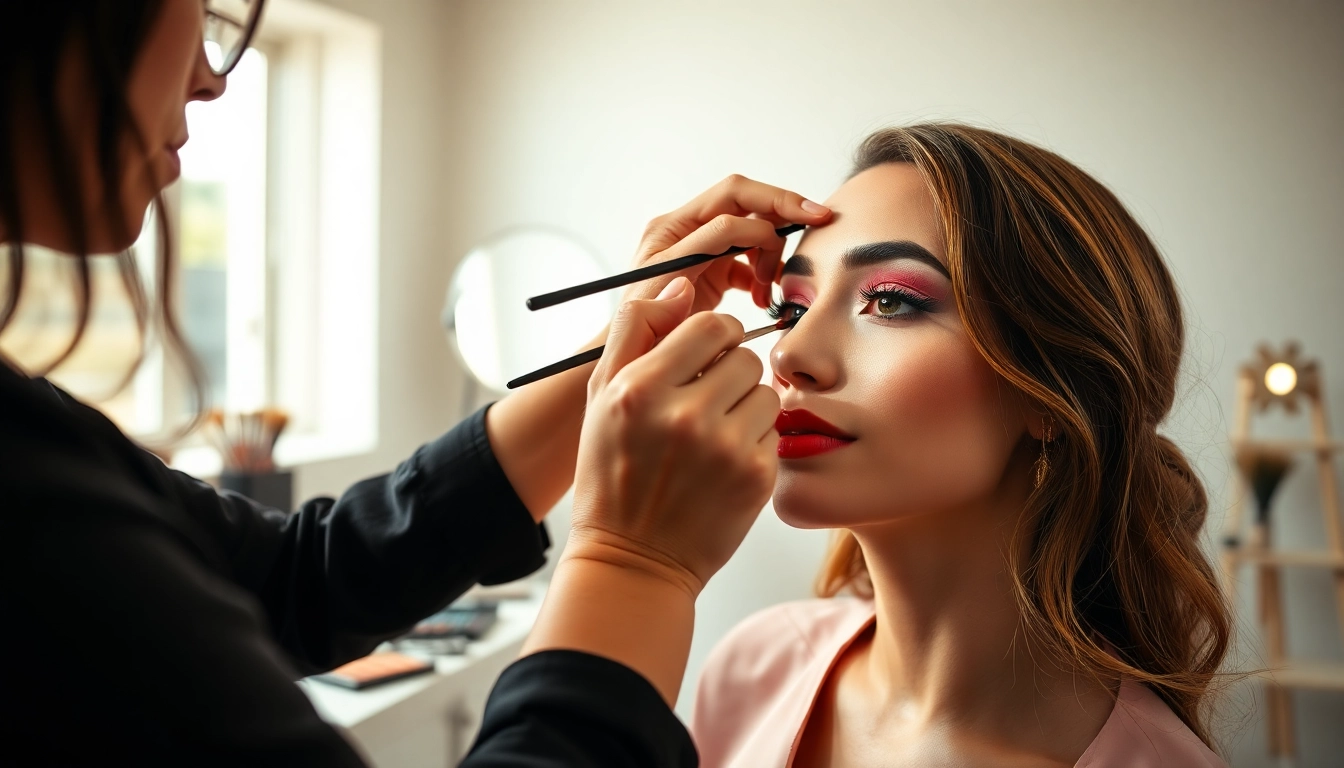
Understanding Makeup Courses
As the world of beauty and cosmetics continues to evolve, the demand for skilled makeup artists has surged. However, not everyone knows where to begin their journey. This is where makeup courses come into play. These courses offer a structured approach to learning the craft, providing essential knowledge and hands-on experience. Understanding what makeup courses entail will help you decide if this career path is right for you.
What Are Makeup Courses?
Makeup courses are formal training programs designed to teach individuals the fundamentals and advanced techniques of makeup application. They cover a wide range of topics, including skin care, color theory, application techniques, and the business aspects of working as a makeup artist. Whether taken online or in-person, these courses range in duration from a few weeks to several months, accommodating different learning styles and goals.
Types of Makeup Courses Available
Makeup courses can be categorized into various types based on expertise level, specialization, and learning format. Here are some common types:
- Beginner Courses: Designed for novices, these courses cover the basics of makeup application and tools.
- Intermediate and Advanced Courses: For those with foundational knowledge, these courses dive deeper into complex techniques and styles.
- Specialized Courses: Focus on specific areas such as bridal makeup, evening looks, or special effects (SFX).
- Online Courses: Flexible and accessible, these courses allow students to learn at their own pace via video lessons and tutorials.
- In-Person Workshops: Hands-on sessions that offer direct interaction with instructors for immediate feedback and practical experience.
Target Audience for Makeup Courses
The audience for makeup courses is diverse, including:
- Aspiring Makeup Artists: Individuals looking to start a career in the beauty industry.
- Beauty Enthusiasts: Makeup lovers who wish to refine their skills for personal use.
- Professionals: Current artists wanting to update their skills or specialize in new techniques.
Benefits of Enrolling in Makeup Courses
Enrolling in makeup courses can offer numerous advantages, enhancing both personal and professional growth. Here are some key benefits:
Professional Certification Opportunities
Completing makeup courses can lead to certification, which not only validates your skills but also enhances your employability. Many courses provide recognized credentials that serve as proof of your expertise to potential clients and employers, giving you a competitive edge in a crowded market.
Networking and Career Advancement
Makeup courses often facilitate networking with industry professionals and peers. Building a network can lead to job opportunities, collaborations, and client referrals. Professional relationships fostered during training can be invaluable as you progress in your makeup artistry career.
Hands-On Experience and Skill Building
Hands-on training is a hallmark of effective makeup courses. Students gain practical skills through demonstrations and practice, allowing them to experiment with various looks and styles. This experiential learning approach enables students to build confidence and proficiency in their craft.
Choosing the Right Makeup Course
With a plethora of options available, selecting the right makeup course can be daunting. Here’s how to navigate the choices:
Assessing Your Learning Style
Consider how you learn best. Are you more comfortable with self-paced online classes or do you thrive in structured, instructor-led environments? Identifying your preferred learning method can significantly influence your course selection.
Evaluating Course Content and Curriculum
Examine the course syllabus and ensure it aligns with your goals. Does it cover the techniques and styles you wish to learn? A well-rounded course should address important topics such as skin types, face shapes, and makeup application methods.
Considering Time and Budget Constraints
Your schedule and financial circumstances are crucial factors. Look for courses that offer flexible scheduling and payment plans. Quality education should fit within your budget and time availability without compromising the learning experience.
Key Skills Acquired in Makeup Courses
Makeup courses equip students with essential skills that are critical for career success. Here are some of the key competencies students can expect to gain:
Makeup Application Techniques
Students will learn various techniques for applying makeup, including foundation application, contouring, highlighting, and eye makeup application. Mastering these skills enables artists to create a range of looks suitable for different occasions.
Creating Different Makeup Looks
Diverse styles such as bridal, editorial, and special effects makeup require specialized techniques. Makeup courses expose students to these varied looks, allowing them to diversify their portfolios and cater to various client requests.
Understanding Color Theory and Skin Types
An essential part of makeup artistry is understanding how colors react with skin tones. Courses teach color theory and skin types, enabling artists to choose the right shades and products for different clients, enhancing their overall effectiveness.
Frequently Asked Questions About Makeup Courses
What should I expect from makeup courses?
You can expect a blend of theory and hands-on practice. Courses provide instruction on techniques while allowing you to apply what you’ve learned in real-world scenarios.
Are online makeup courses effective?
Yes, online makeup courses can be highly effective. They provide flexibility and allow students to learn at their own pace, but they require self-discipline and motivation for successful completion.
How long do makeup courses typically last?
Makeup courses can range from a few days to several months, depending on the depth of study and specialization. Short workshops focus on specific techniques, while comprehensive programs cover everything from basics to advanced artistry.
Do I need prior experience to enroll?
No prior experience is typically required for beginner courses. Many programs are designed for newcomers, making makeup artistry accessible to anyone interested in pursuing it.
What equipment will I need for these courses?
Basic tools such as brushes, sponges, and makeup products may be needed. Some courses provide kits, while others may require students to invest in their own supplies, depending on the curriculum.