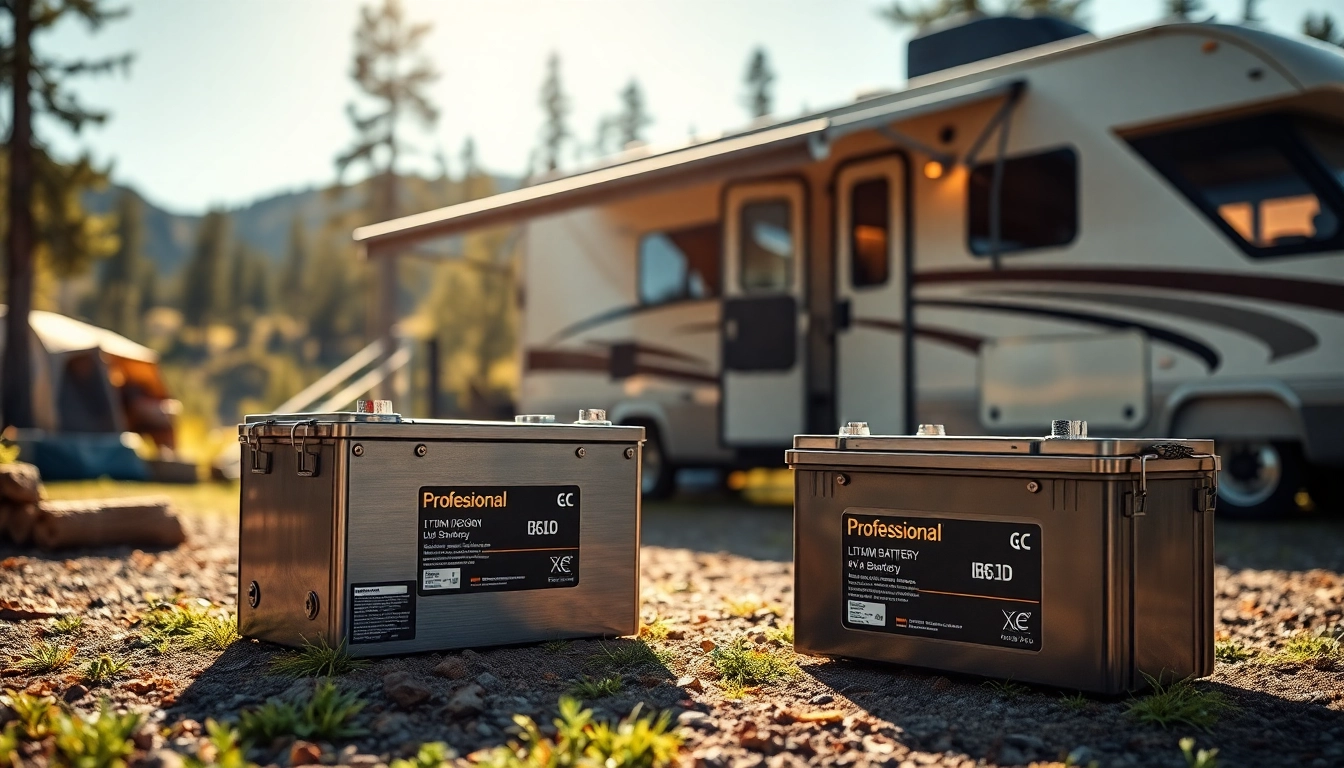
Introduction to Lithium RV Batteries
In the world of recreational vehicles (RVs), the choice of power sources can make a significant difference in the quality of your camping experience. Lithium RV batteries are rapidly becoming the preferred choice among RV enthusiasts for their efficiency, longevity, and performance. This article aims to explore the benefits of lithium RV batteries, guide you through the selection process, installation, maintenance, and maximizing performance.
What are Lithium RV Batteries?
Lithium RV batteries are rechargeable batteries that use lithium-ion technology to provide reliable electricity. Unlike traditional lead-acid batteries, lithium batteries use lithium compounds as electrodes, offering superior energy density and performance. They are specifically designed for deep cycling applications, making them ideal for sustained power usage, which is essential when powering various RV accessories such as lights, appliances, and electronics.
Advantages of Using Lithium RV Batteries
Using lithium RV batteries comes with numerous advantages:
- Longer Lifespan: Lithium batteries can last 10 years or more, significantly outlasting lead-acid batteries.
- Lightweight Design: Lithium batteries are typically much lighter than lead-acid batteries, making them easier to install and manage in your RV.
- Faster Charging: They can charge at much faster rates and have a higher discharge rate than conventional batteries.
- Greater Depth of Discharge: You can deplete lithium batteries up to 80-90% of their capacity, while lead-acid batteries should only be discharged to 50% for longevity.
- Safer Operation: Lithium batteries have built-in safety features that prevent overheating and potential fire risks.
Understanding Battery Chemistry and Technology
The chemistry behind lithium batteries plays a crucial role in their performance. Most lithium RV batteries utilize Lithium Iron Phosphate (LiFePO4), known for its stability and safety characteristics, making it suitable for RV applications. Understanding battery chemistry can help RV owners make informed choices about their power systems.
Choosing the Right Lithium RV Batteries
When it comes to selecting the best lithium RV batteries, a few factors need careful consideration to ensure you choose the right one for your needs.
Factors to Consider When Selecting Lithium RV Batteries
Consider the following factors:
- Capacity: Measure the required capacity in amp-hours (Ah) based on your power needs and usage.
- Voltage: Compatibility with your RV's electrical system is paramount. Ensure the battery voltage matches your system (12V, 24V, etc.).
- Dimensions and Weight: Size matters; ensure the battery fits your intended space without compromising weight limits.
- Charging Cycle: Look for batteries with optimized charging cycles for fast performance and reduced charging time.
- Manufacturer Reputation: Opt for reputable brands with proven customer reviews and reliable warranties.
Battery Capacity and Size Requirements
The capacity of lithium RV batteries is measured in amp-hours (Ah). A general rule of thumb is to calculate your estimated daily power consumption and select a battery with a larger capacity to ensure uninterrupted power supply. It’s also important to account for peak loads during operation, such as when using appliances that require high power.
Comparing Lithium RV Batteries with Traditional Options
When weighing options between lithium and traditional lead-acid batteries, consider the long-term investment. While the initial cost of lithium RV batteries may be higher, the overall lifespan, maintenance costs, and efficiency often result in greater savings over time. For off-grid adventures or frequent campers, lithium batteries provide a better balance of weight, efficiency, and performance.
Installation Guide for Lithium RV Batteries
Installing lithium RV batteries requires careful planning and adherence to safety protocols. Following a systematic approach ensures effective and safe installation.
Preparation and Safety Measures
Before installation, ensure you read the manufacturer’s guidelines and prepare your tools and workspace. Safety is crucial—wear gloves and goggles to protect against battery acid or corrosion, and ensure proper ventilation during the process.
Step-by-Step Installation Process
- Disconnect the RV from any power source to prevent electrocution.
- Remove any old batteries and clean the connections in the battery compartment.
- Place the new lithium battery in the compartment, ensuring it is secured and stable.
- Connect the terminals, following the positive-to-positive and negative-to-negative guidelines.
- Check for tight connections and ensure no wires are frayed.
- Reconnect any power sources and test the system.
Tools Needed for Installation
Essential tools include:
- Wrenches or pliers for terminal connections
- Safety goggles and gloves
- Wire brushes for cleaning connections
- Multimeter for checking battery voltage
- Battery storage strap or bag for stability
Maintaining Your Lithium RV Batteries
Proper maintenance is crucial for extending the lifespan and ensuring the optimal performance of your lithium RV batteries.
Best Practices for Battery Care
To maintain your lithium RV batteries effectively:
- Regular Monitoring: Check the battery voltage regularly to ensure it remains within optimal levels.
- Balanced Charging: Utilize a smart charger to prevent overcharging and enhance battery performance.
- Temperature Management: Keep the batteries in a cool, dry place to prevent heat buildup, which can reduce lifespan.
- Clean Connections: Regularly check and clean the terminals to prevent corrosion.
Common Maintenance Mistakes to Avoid
Avoid these common pitfalls:
- Neglecting battery monitoring can lead to unforeseen power shortages.
- Allowing full discharge frequently can shorten battery lifespan.
- Using non-compatible chargers can cause damage.
- Failing to keep terminals clean can lead to connectivity issues.
How to Troubleshoot Common Issues
If your lithium RV batteries are not performing as expected, follow these troubleshooting tips:
- Check all connections to ensure they are secure and free from corrosion.
- Test battery voltage with a multimeter; if it's low, consider recharging or replacing.
- If the battery overheats, ensure proper ventilation and cooling.
- Investigate any unusual sounds, as they may indicate malfunction or short circuits.
Maximizing Performance with Lithium RV Batteries
To ensure you get the most out of your lithium RV batteries, implement effective strategies and integrations.
Energy Management Strategies for RV Users
Effective energy management involves:
- Monitoring energy consumption regularly to adjust usage accordingly.
- Utilizing LED lighting and energy-efficient appliances to reduce power requirements.
- Employing energy-saving settings on devices when available.
Integrating Solar Power with Lithium RV Batteries
Combining solar power systems with lithium RV batteries can significantly augment your setup, providing a sustainable source of energy:
- Install solar panels on the roof of your RV to harness sunlight effectively.
- Use a solar charge controller to manage charging processes and battery health.
- Assess your energy needs to size your solar system accordingly, ensuring you can maintain power even off-grid.
Monitoring Battery Health and Performance
Invest in monitoring systems that provide real-time data regarding battery voltage, charge levels, and overall health. These systems can alert you before issues become critical, allowing for preventive measures.
FAQs about Lithium RV Batteries
1. Are lithium batteries worth it for an RV?
Yes, lithium batteries provide longer lifespan, higher capacity, and efficient charging compared to traditional batteries, making them an excellent investment for RV users.
2. How long will a lithium RV battery last?
Under proper use and maintenance, lithium RV batteries can last 10 years or more, significantly outlasting lead-acid options.
3. Can I use a solar charger with lithium RV batteries?
Absolutely! Solar charging is highly effective with lithium batteries, provided you use an appropriate solar charge controller to manage the input.
4. How do I know if my lithium RV battery needs replacing?
Signs of needing replacement include decreased runtime, difficulty holding a charge, or visible signs of damage. Regular monitoring will help detect issues early.
5. How many lithium batteries do I need for my RV?
The number of lithium batteries required depends on your power consumption needs. Calculate based on your anticipated daily energy usage and desired autonomy.