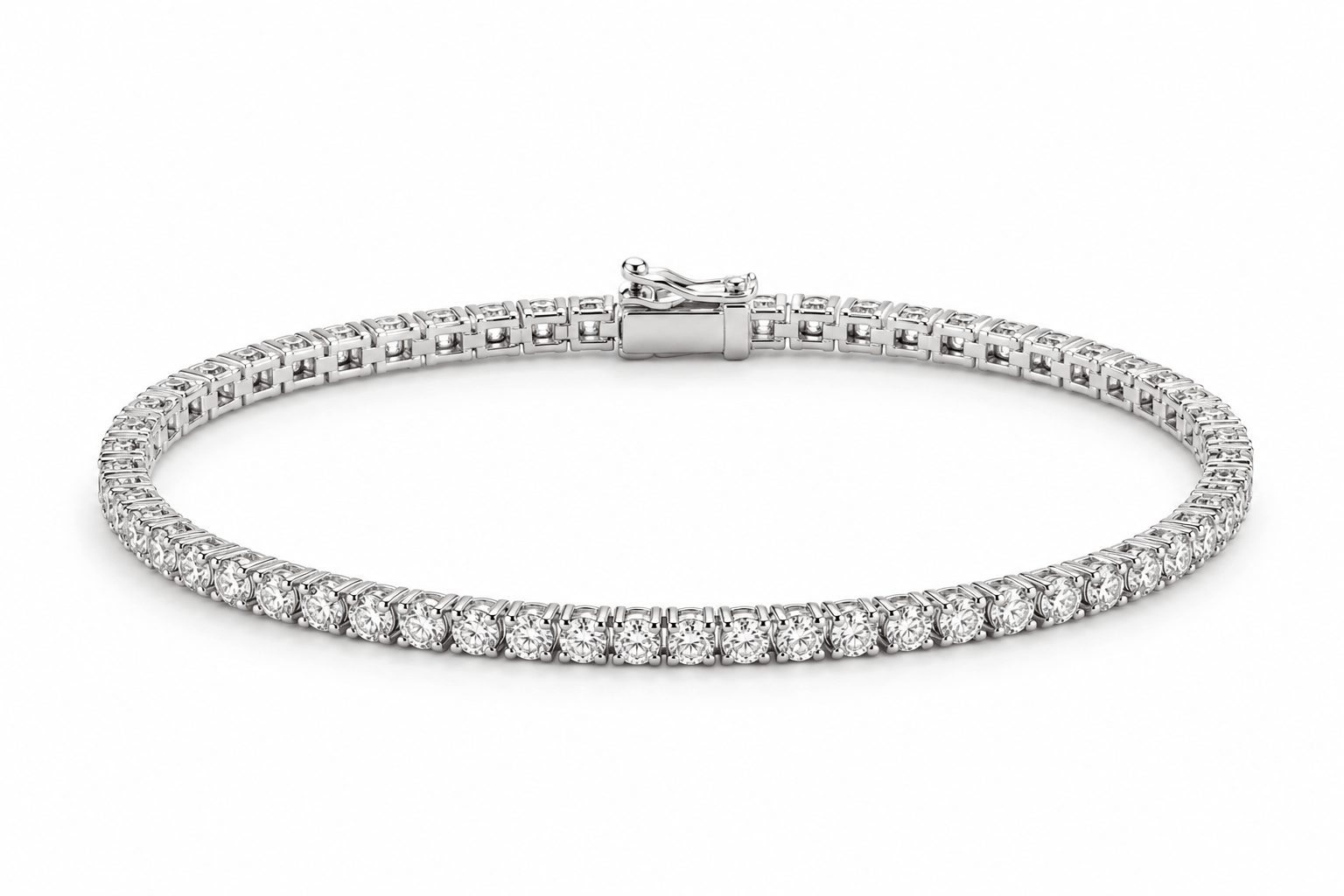
Understanding Lab Diamond: The Science Behind Their Creation
What is a Lab Diamond?
Lab diamonds, often referred to as lab-grown or synthetic diamonds, are real diamonds created in a controlled laboratory environment. Unlike natural diamonds formed over millions of years deep within the Earth’s mantle, lab diamonds undergo similar physical and chemical processes under high pressure and temperature for a shorter duration. The result? A diamond indistinguishable from its mined counterpart when assessed by gemological experts.
In essence, they share the same elemental composition (carbon) and crystal structure, leading to identical optical and physical properties. The primary difference lies in their origin. If you're curious about where you can explore various options for a Lab Diamond, read on!
How Lab Diamonds are Made
The creation of lab diamonds involves two primary methods: High Pressure, High Temperature (HPHT) and Chemical Vapor Deposition (CVD).
- High Pressure, High Temperature (HPHT): This method mimics the natural conditions under which diamonds form. Carbon is subjected to extreme pressure and temperature, resulting in diamond formation. HPHT diamonds are often used to create diamonds in various shapes and sizes.
- Chemical Vapor Deposition (CVD): CVD involves placing a diamond seed into a chamber filled with carbon-rich gases. The gases break down, depositing carbon atoms onto the seed, layer by layer, evolving into a diamond over time. This method allows for customization of size and quality while providing a controlled environment for diamond growth.
Both methods yield diamonds that are chemically identical to mined diamonds, contributing to their growing popularity among consumers seeking both beauty and ethical production practices.
Distinguishing Features of Lab Diamonds
While lab diamonds share many characteristics with natural diamonds, a few subtle features can set them apart.
- Inclusions: Lab diamonds may exhibit unique inclusions or “fingerprints” that differ from mined diamonds. The growth patterns in lab diamonds can offer insights into their creation process.
- Grading Reports: Certified lab diamonds come with grading reports from recognized gemological laboratories. The report includes important information such as clarity, cut, color, and carat weight, which can validate their quality.
- Cost: Generally, lab diamonds tend to be 20-40% less expensive than their natural counterparts, making them an attractive option for budget-conscious buyers without compromising quality.
Understanding these features can aid consumers during the selection process and help demystify the lab diamond market.
Advantages of Choosing Lab Diamond Over Natural Diamonds
Ethical Considerations
One of the primary reasons consumers are gravitating toward lab diamonds is their ethical impact. The mining of natural diamonds often raises humanitarian concerns, including the exploitation of labor and adverse effects on local communities. Conversely, lab diamonds are sourced and produced in a controlled and humane environment without contributing to these issues.
Transparency in the supply chain further enhances their appeal, allowing consumers to feel confident in their purchase. Knowing your diamond's ethical background fosters a sense of responsibility and satisfaction.
Environmental Impact
The environmental repercussions of diamond mining can be extensive, involving ecosystem disruption, habitat destruction, and considerable carbon emissions through mining activities. In contrast, lab diamonds have a significantly lower environmental footprint.
By choosing a lab diamond, consumers contribute to reduced resource extraction and waste, aligning their choices with sustainable values. Moreover, many lab diamond producers are implementing eco-friendly practices that further minimize their environmental impact.
Cost-Effectiveness
Another compelling advantage of lab diamonds is their cost-effectiveness. Generally, consumers can obtain a larger diamond with superior quality for the same price as a smaller, lower-quality natural diamond. This financial benefit allows couples to invest in a more aesthetically appealing piece while ensuring their decision aligns with their budgetary constraints.
This cost-effective nature has encouraged more individuals to consider lab diamonds as a viable option when shopping for engagement rings, jewelry, and other diamond-based accessories.
Looking for the Perfect Lab Diamond?
Tips for Buying Lab Diamonds
When purchasing a lab diamond, consider the following tips:
- Know the 4 Cs: Familiarize yourself with cut, color, clarity, and carat weight to make informed choices.
- Choose a reputable retailer: Select vendors that provide certification from recognized gemological institutions to validate the diamond's quality.
- Examine the diamond closely: Always request to view the diamond under proper lighting to appreciate its brilliance and any potential inclusions.
By equipping yourself with knowledge, you can navigate the selection process more effectively and find the perfect lab diamond to suit your tastes and budget.
Understanding Certification and Grading
Certification plays a pivotal role in the lab diamond industry. Various gemological laboratories provide grading reports that assess a diamond's quality based on the 4 Cs mentioned earlier. Look for certifications from reputable institutions, as they offer assurance of the diamond's attributes and authenticity.
Understanding these reports can empower buyers, allowing them to make an informed decision and ensuring that their chosen diamond aligns with their standards of quality and value.
Setting Your Lab Diamond: Design Options
Lab diamonds are versatile and can be set in various styles, from classic solitaires to intricate halo settings. When selecting a setting:
- Consider lifestyle: Choose a design that complements daily wear and activities.
- Match personal style: Explore different settings to find one that mirrors individual taste, whether it's vintage-inspired, modern, or minimalist.
- Think about metal choices: Options like gold, platinum, and silver can dramatically impact the overall look of the final piece.
Engaging with a skilled jeweler can guide you through customization options, making the design process personal and memorable.
Maintenance and Care for Your Lab Diamond Jewelry
Cleaning and Upkeep
Proper care can enhance the longevity of your lab diamond's brilliance. Regular cleaning is crucial to prevent buildup of dirt and oils:
- Use mild soap: A solution of warm water and mild soap can effectively clean your diamond. Avoid harsh chemicals.
- Soft brush: Use a soft-bristled brush to gently scrub the diamond, particularly in hard-to-reach areas.
Regular cleanings can help maintain the diamond’s sparkle and ensure it continues to shine brightly.
Storing Your Lab Diamonds
Correct storage is equally essential in preserving your jewelry. When not in use:
- Use a soft pouch: Store diamonds separately in soft pouches or lined jewelry boxes to avoid scratching.
- Avoid extreme temperatures: Keep diamonds in a consistent temperature environment to prevent any potential damage.
By taking these precautions, you can help extend the life of your lab diamond jewelry.
Resizing and Repairs
Should you require resizing or repairs, consult with a professional jeweler who specializes in diamond settings. Regular assessments can detect potential issues before they necessitate intricate repairs and ensure that your jewelry remains comfortable and securely fitted.
Maintaining open communication with your jeweler can facilitate proper care and preserve the integrity of your lab diamond jewelry.
Frequently Asked Questions About Lab Diamonds
Are lab diamonds as good as natural diamonds?
Lab diamonds are chemically and physically identical to natural diamonds, offering the same beauty and durability, making them an excellent alternative.
How do I tell a lab diamond apart from a natural diamond?
Lab diamonds may have unique inclusions detectable by professionals, but most consumers cannot distinguish them without specialized equipment.
What are the benefits of purchasing lab diamonds?
Lab diamonds provide ethical sourcing, lower environmental impact, and cost savings while offering the same quality as natural diamonds.
Can lab diamonds be resold?
Yes, lab diamonds can be resold, though they typically retain less value than natural diamonds due to market factors.
What’s the average cost difference between lab and natural diamonds?
Lab diamonds usually cost 20-40% less than natural diamonds, providing excellent value without compromising on quality.