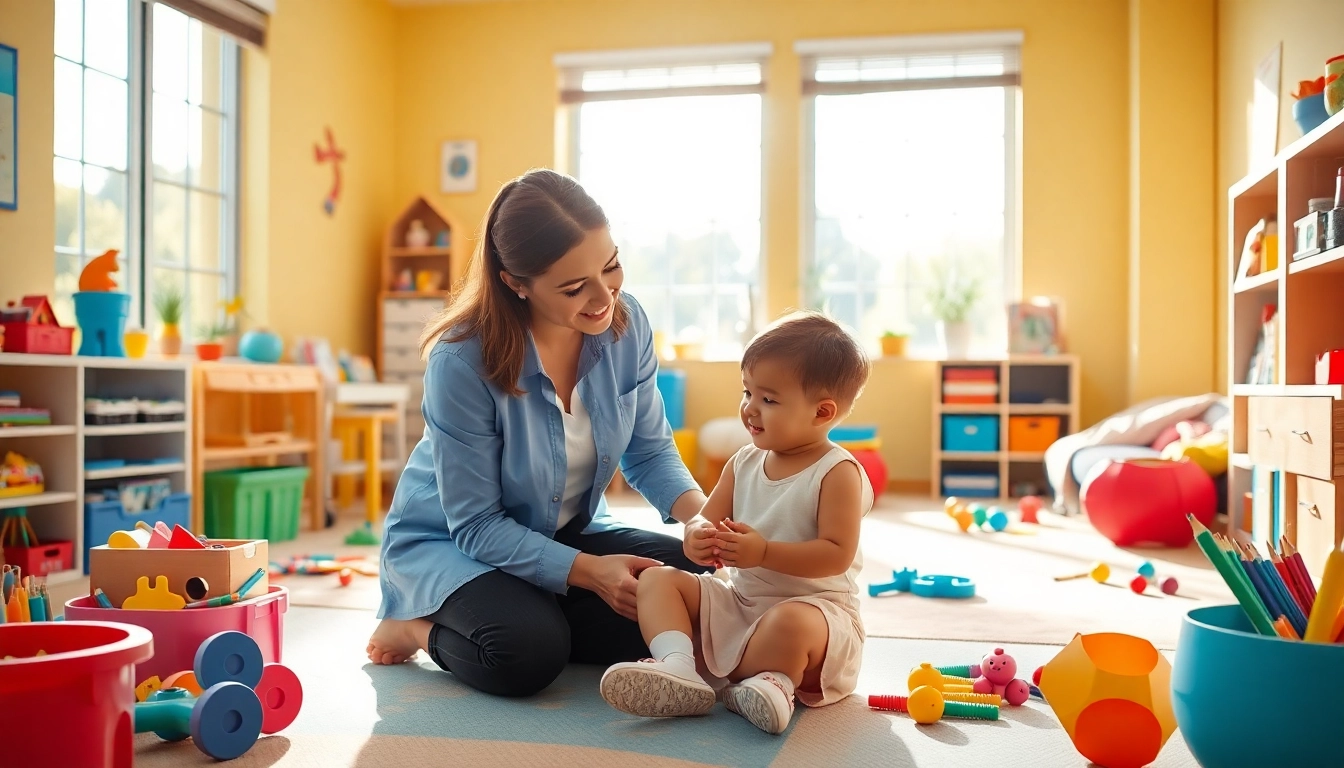
What is a Play Therapist?
Definition and Purpose
A Play Therapist is a trained mental health professional who employs the therapeutic power of play to help children navigate their emotions and express their thoughts in a safe, structured environment. By utilizing play as a medium, these therapists can communicate with children more effectively than through traditional verbal methods, as children naturally use play to articulate their feelings and experiences.
Play therapy operates on the principle that play is the child’s primary language. Through this modality, therapists create a space that allows children to explore their reality and the social dynamics of their lives, facilitating a process of healing and growth. This approach is particularly beneficial for children who may struggle to articulate their thoughts and emotions verbally, making it an essential tool in child therapy.
Importance in Child Therapy
Play therapy plays a critical role in the therapeutic process for young children. As they engage in play, children can reveal insights about their inner world and present challenges in a manner that is less threatening. By allowing children to express themselves through play, therapists can identify problems, work through difficult experiences, and promote emotional resilience.
Moreover, in situations of trauma or bereavement, the use of symbolism in play can afford children a means to process distressing encounters that they might find too overwhelming to articulate. This therapeutic method has shown promise in treating conditions such as anxiety, depression, trauma, and behavioral issues, highlighting its importance in the field of child development.
Common Techniques Used
Play therapists employ a variety of techniques tailored to each child's needs. Some of the most common include:
- Symbolic Play: Children use toys to replicate experiences and feelings, allowing therapists to understand their perspective.
- Art and Creative Activities: Engaging children in art projects can facilitate expression of emotions that are hard to communicate verbally.
- Role-Playing: Children take on different roles, helping them to work through social scenarios and conflicts.
- Storytelling: By narrating or listening to stories related to their experiences, children can recognize their own feelings and challenges.
Benefits of Play Therapy
Emotional and Psychological Growth
One of the paramount benefits of play therapy is the emotional and psychological growth it fosters in children. As they engage in play, children learn to express their emotions and develop coping strategies for managing stress and anxiety. For instance, through play, a child can act out a stressful situation, allowing them to process feelings of anger or sadness in a healthy way, enabling emotional regulation and resilience.
Research indicates that children participating in play therapy show improvement in emotional intelligence, including enhanced empathy, understanding, and confidence. They learn to recognize and articulate their emotions, which is critical in building relationships and navigating their social environments.
Improving Communication Skills
Play therapy also significantly enhances a child's communication skills. Because play provides a non-threatening way to engage with the therapist, children are often more open and willing to express themselves. They learn to articulate their needs, feelings, and thoughts more effectively, which translates into better communication outside the therapy room.
Through interactive and collaborative play, children practice listening, sharing, and responding, essential components in communication. As they articulate their feelings in session, they develop language skills and the ability to convey their thoughts clearly, which can lead to improved relationships with peers, family, and teachers.
Supporting Behavioral Challenges
Behavioral challenges, often rooted in emotional distress, can be effectively addressed in play therapy. By observing how children behave during play, therapists can identify underlying issues contributing to negative behaviors, such as aggression or withdrawal.
Moreover, play therapy helps children develop positive behaviors through feedback from the therapist and modeling healthy interactions. For example, a child may learn conflict resolution skills by engaging in shared play scenarios where they encounter and navigate conflicts. This allows them to practice and internalize more appropriate response patterns to frustrating or challenging situations.
How to Become a Play Therapist
Educational Requirements
Becoming a play therapist necessitates a robust educational foundation in fields such as psychology, social work, or counseling. Most play therapist roles require at least a master's degree, wherein the subject matter includes child development, therapeutic techniques, and mental health.
Students interested in this career path should consider engaging in specialized coursework that focuses on play therapy principles, methodologies, and techniques. Completing relevant graduate programs ensures a deep understanding of both general psychotherapy and child-specific interventions.
Necessary Certifications
After acquiring the necessary educational background, prospective play therapists must pursue certifications to practice. Various professional organizations provide credentialing specifically for play therapy. To obtain certification, individuals typically need to complete supervised clinical hours along with additional training specific to play therapy.
Being certified not only enhances a therapist’s professional credibility but also ensures adherence to ethical practices and up-to-date therapy methods. It is crucial for aspiring play therapists to investigate and select programs accredited by recognized institutions.
Gaining Practical Experience
Practical experience is pivotal in becoming an effective play therapist. Internships, practicums, or volunteer opportunities in settings like schools, children’s hospitals, or mental health clinics provide invaluable exposure to children's behavior and therapy practices. Through guidance from seasoned professionals, aspiring therapists can develop their therapeutic style and build a repertoire of techniques.
Additionally, engaging in ongoing professional development—such as workshops or conferences geared towards play therapy—can further refine skills and knowledge, preparing therapists for a successful career dedicated to children’s mental health.

Challenges Faced by Play Therapists
Understanding Diverse Needs
Play therapists often encounter a diverse group of children, each presenting unique emotional and behavioral needs. One challenge in this context is the therapist’s ability to adapt techniques to accommodate varying backgrounds, disabilities, and life experiences.
To effectively meet these challenges, therapists may need to undergo continuous training and remain informed about multicultural competencies to understand the socio-cultural influences that shape a child's behavior and experience. A flexible and adaptable approach is paramount for effective therapy.
Parent Involvement
Parent involvement is another challenge for play therapists. While collaboration with parents is essential for reinforcing therapy concepts at home, it can be difficult to encourage engagement when parents may feel disconnected or unsure about the therapy process.
Establishing open communication with parents and providing them with resources can facilitate better understanding and cooperation. Therapists can invite parents to partake in sessions or provide training that elaborates on play techniques to support their child's development outside of therapy.
Coping with Emotional Stress
Play therapists frequently work with children who exhibit distressing emotional struggles, which can result in emotional stress for the therapist. Managing one’s emotional well-being becomes crucial to maintain effectiveness and resilience in this field.
Supervision, peer support groups, and self-care practices—like mindfulness techniques or personal therapy—can assist play therapists in coping with emotional demands. By prioritizing their own well-being, therapists can provide better care to their clients.
Frequently Asked Questions
What is the role of a play therapist?
A play therapist uses play as a medium to help children express feelings, resolve conflicts, and develop coping skills in a safe environment.
How effective is play therapy?
Research shows play therapy significantly helps children with emotional and behavioral issues by facilitating communication and self-expression.
What qualifications are needed for a play therapist?
Typically, a master's degree in psychology, social work, or counseling, along with specialized training in play therapy methods, is required.
How long do play therapy sessions last?
Play therapy sessions usually last between 30 to 50 minutes, tailored to the child's needs and therapeutic goals.
Can adults benefit from play therapy?
While primarily for children, adults can also find value in play therapy, especially in addressing trauma or emotional blocks.