Understanding Indian Contemporary Literature
Definition and Characteristics of Contemporary Literature
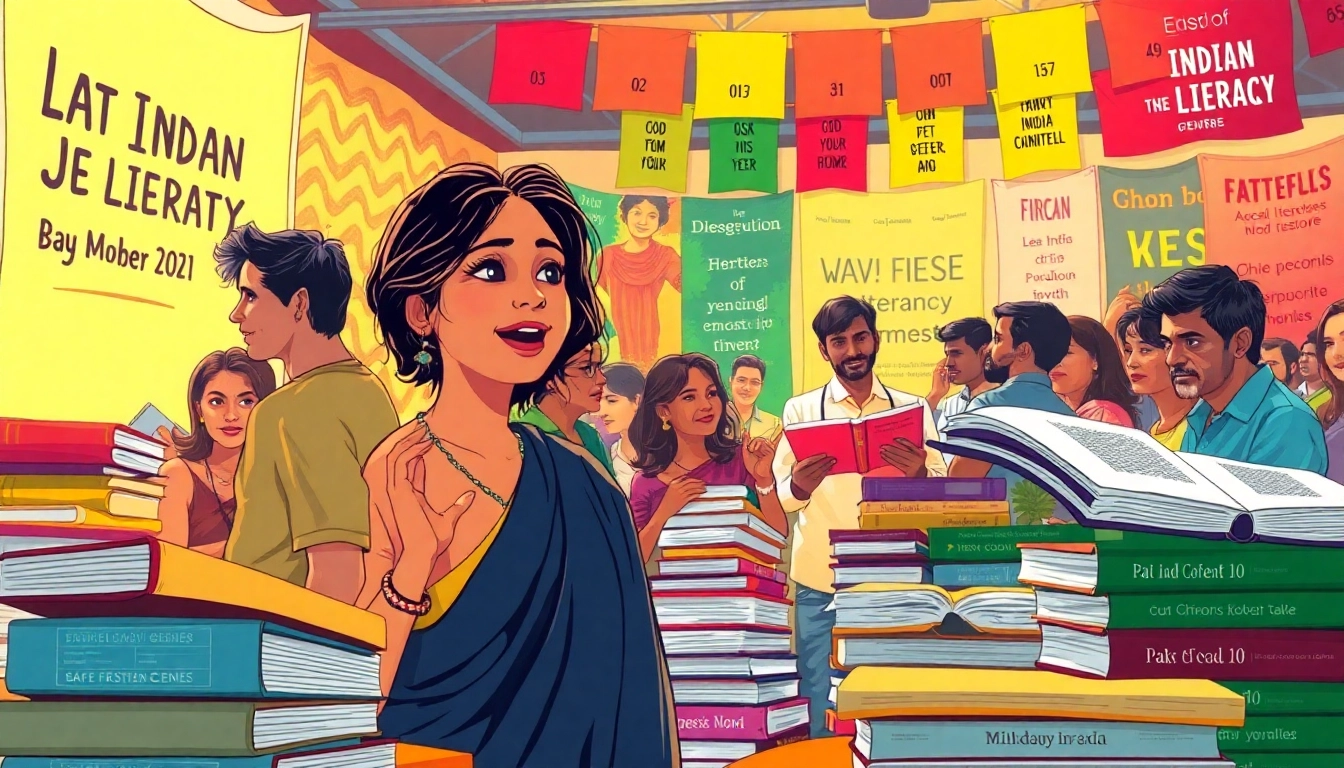
Indian contemporary literature encompasses the literary works produced in India post-independence, primarily from the late 20th century to the present. It reflects the multiplicity of voices, cultures, and experiences that coexist in the Indian subcontinent. Characterized by its diversity, contemporary literature often explores themes such as identity, globalization, and social change, creating a rich tapestry of narratives that resonate with varied audiences.
Key characteristics include the incorporation of regional languages, blending traditional storytelling with modern narrative styles, and a focus on personal and socio-political themes. Writers often challenge societal norms, offering critiques on gender, caste, and politics through innovative literary techniques. Genres vary widely, with novels, poetry, short stories, and plays being prominent forms, creating a dynamic landscape of contemporary discourse.
The Evolution of Indian Contemporary Literature
The journey of Indian contemporary literature traces back to the early 20th century, marked by significant political and cultural shifts. Post-independence, Indian literature witnessed a resurgence as writers began to express their newfound freedom and explore national identity through their works. The 1980s and 1990s saw a transformation due to globalization, as Indian authors began to gain international recognition. This era introduced a new wave of writers, who brought global themes into the Indian context, pushing the boundaries of traditional narratives.
The emergence of English as a literary medium also played a crucial role in this evolution, allowing for a broader audience and enabling Indian voices to reach a global stage. With the advent of technology and digital platforms, the landscape continued to shift, providing new avenues for publishing and connecting with readers, thus reshaping the contours of indian contemporary literature.
Key Authors Shaping the Landscape
Numerous authors have significantly contributed to the Indian contemporary literature scene, each bringing unique perspectives and styles. Among them, Salman Rushdie stands out for his magical realism and socio-political commentary. His work, particularly "Midnight’s Children," earned international acclaim and showcased the intricacies of Indian identity.
Another influential figure is Arundhati Roy, whose debut novel "The God of Small Things" won the Man Booker Prize and highlighted themes of caste and familial relationships within the social fabric of India. Jhumpa Lahiri, known for her poignant explorations of displacement and belonging, has also carved a niche in contemporary narratives. More contemporary voices like Vikram Seth and Devdutt Pattanaik continue to enrich the literary scene with their innovative storytelling and interpretations of Indian mythology.
Fundamental Themes in Indian Contemporary Literature
Exploring Identity and Cultural Heritage
Identity and cultural heritage are central themes in Indian contemporary literature. Authors often grapple with the complexities of a multicultural society, exploring how personal identity interacts with cultural backgrounds. This exploration is particularly prominent in the works of writers such as Chitra Banerjee Divakaruni and Kamala Das, who delve into the nexus of gender, religion, and ethnicity in shaping an individual’s experience.
The discourse surrounding identity often reflects historical narratives, colonial legacies, and modern dilemmas. For instance, in the writings of Bhagat Singh Thind, the duality of the Indian diaspora’s experience is addressed, providing insights into how cultural heritage influences one’s identity in a globalized world. This continuous negotiation of identity forms a compelling aspect of the literary landscape, allowing readers to engage with the intricacies of cultural belonging and personal narratives.
User Experiences and Modern Narratives
Contemporary literature in India increasingly prioritizes user experiences, often representing marginalized voices and providing a platform for underrepresented narratives. Authors are keen to explore life stories that portray the struggles and triumphs of various communities, illustrating the complexities of modern existence. This shift towards inclusive storytelling is vital, as it fosters empathy and understanding among readers from diverse backgrounds.
Literary forms such as memoirs, oral histories, and experimental prose are frequently employed to convey these experiences authentically. Writers such as Annie Zaidi and Jeet Thayil leverage modern narratives to push boundaries, intertwining personal accounts with broader societal issues. As technology evolves, so too does the medium of storytelling, embracing formats such as digital narratives and interactive literature, engaging readers in unique and innovative ways.
Socio-Political Commentary in Literature
Indian contemporary literature serves as a powerful medium for socio-political commentary, reflecting the tumultuous landscape of Indian society. Authors unflinchingly critique the political system, social injustices, and economic disparities, often embodying the voice of dissent through their narratives. This characteristic resonates with readers who seek to understand the broader implications of everyday life.
Writing on socio-political issues can take various forms, such as satirical prose, dystopian fiction, or historical narratives that reveal uncomfortable truths. The works of authors like Aravind Adiga and Kiran Nagarkar exemplify this trend, as their writings explore class divides and corruption, bringing urgent social issues to the forefront of literary discourse. By intertwining storytelling with activism, these writers compel readers to reflect on and engage with the pressing challenges facing modern India.
Impact of Technology on Indian Contemporary Literature
Digital Platforms and Publishing Changes
The rise of digital platforms has revolutionized the Indian literary landscape, making literature more accessible than ever before. Self-publishing and e-books have democratized the publishing sector, allowing aspiring authors to share their work without the constraints of traditional publishing. This shift has given birth to a myriad of genres and voices previously undervalued in mainstream literature.
Furthermore, online platforms such as social media serve as powerful tools for marketing and audience engagement. Authors can connect with readers directly, receiving immediate feedback and building communities around their work. This change not only empowers writers but also nurtures a culture of reading and writing among younger audiences, fostering a renewed interest in indian contemporary literature through interactive and participatory experiences.
How Social Media Influences Literary Trends
Social media plays a pivotal role in shaping literary trends, as platforms like Twitter, Instagram, and Facebook serve as spaces for literary discussions and discoveries. Authors and readers alike share recommendations, engage in book clubs, and participate in hashtag movements that promote reading and writing. This digital interaction can lead to viral trends, where books gain popularity based on reader engagement rather than traditional advertising.
Moreover, social media enables authors to spotlight their work, share snippets, and tease upcoming releases, creating buzz and anticipation. For instance, the #Bookstagram community on Instagram showcases books through visually captivating images, captivating potential readers and influencing literary tastes. By leveraging these digital tools, contemporary authors can navigate the modern literary market more effectively, building personal brands while fostering a vibrant literary community.
Infrastructure and Accessibility Improvements
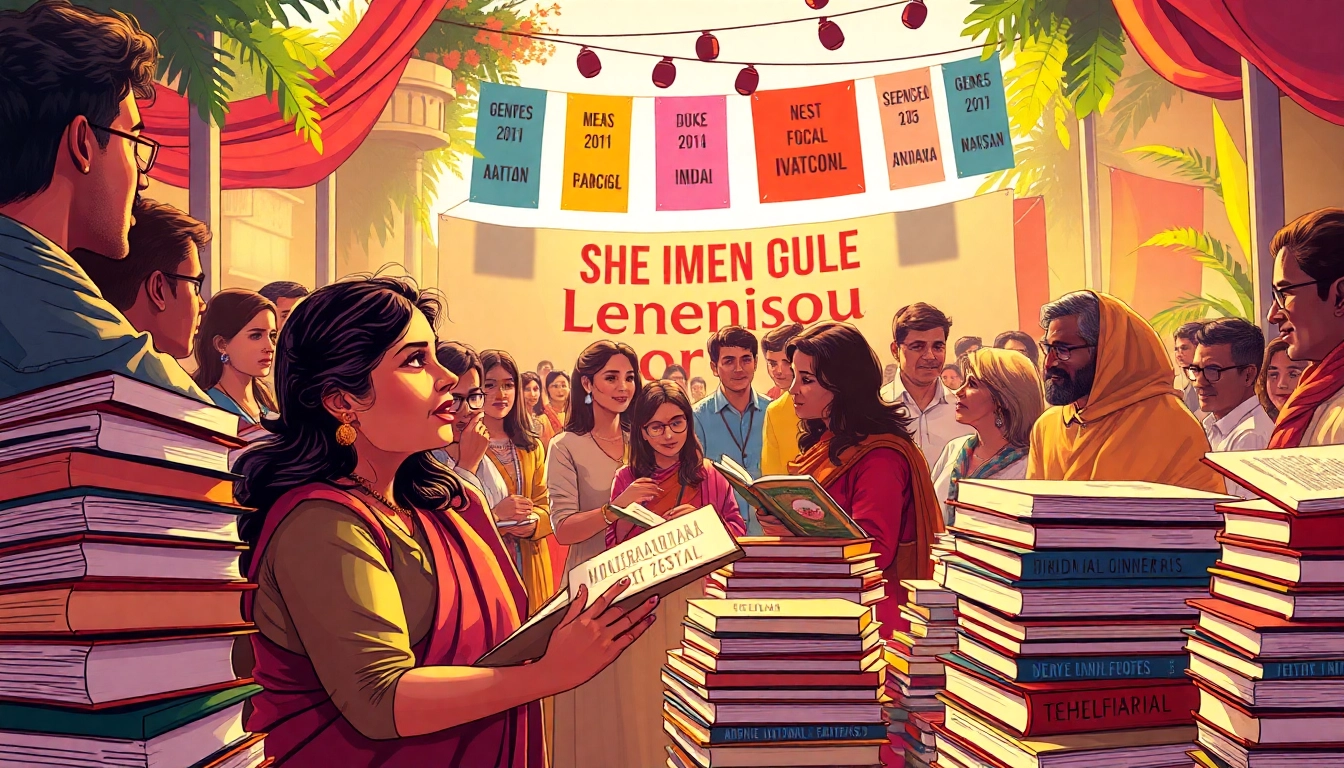
Improved infrastructure and access to literature have significantly affected the trajectory of Indian contemporary literature. In recent years, initiatives aimed at promoting reading culture have proliferated, with libraries, reading programs, and literature festivals emerging across the country. These efforts create opportunities for readers to engage with literature and authors directly, fostering a love for reading among diverse demographics.
Additionally, educational institutions are increasingly incorporating contemporary literature into their curricula, broadening students' exposure to diverse narratives and writing styles. The inclusion of discussions on socio-political issues within literature not only enhances understanding but also encourages critical thinking among students. By making literature more accessible and inclusive, these developmental changes contribute to a richer and more varied literary landscape.
Challenges Faced by Indian Contemporary Writers
Issues of Representation and Diversity
One of the pressing challenges in Indian contemporary literature is the need for representation and diversity. Despite the progress made in amplifying diverse voices, several marginalized groups—including women, LGBTQ+ individuals, and ethnic minorities—remain underrepresented in the literary canon. This lack of visibility affects the narratives presented and perpetuates stereotypes and biases that can hinder cultural growth.
To address these issues, writers and publishers must strive for inclusivity by promoting narratives that reflect varied experiences. Initiatives such as mentorship programs for underrepresented authors and the establishment of literary prizes focused on diversity are crucial in nurturing a wider range of voices, ensuring that the literary landscape becomes more equitable and representative of contemporary Indian society.
Balancing Tradition and Modernity in Narratives
Indian contemporary writers often grapple with the challenge of balancing tradition and modernity in their narratives. While many seek to reflect their cultural heritage in their work, the urge to embrace contemporary themes and global perspectives results in a complex interplay within storytelling. Authors face the dilemma of how to remain true to their roots while addressing modern issues, leading to a rich yet challenging literary environment.
This balance is reflected in the techniques and narratives utilized by writers. By weaving traditional folklore or mythological elements into modern settings, authors can create unique stories that resonate with contemporary readers while preserving cultural significance. The success lies in adapting traditional motifs to articulate modern dilemmas, forging connections between the past and the present in a cohesive manner.
Monetization and Distribution Challenges
In the digital age, monetization and distribution challenges persist for Indian contemporary writers, particularly independent authors. While the rise of self-publishing has opened new avenues, authors often struggle with distributing their works and reaching wider audiences. A fragmented publishing market, dominated by a few players, can render it difficult for emerging writers to find a foothold.
Furthermore, traditional publishing methods often focus on popular genres, sidelining experimental or niche literature. To navigate these challenges, authors and distributors must explore alternative models, such as crowdfunding for publishing or utilizing subscription-based services. By fostering partnerships and collaborations with independent publishers and literary platforms, authors can ensure their work reaches a wider audience while generating sustainable income.
Future Directions for Indian Contemporary Literature
Emerging Voices and Influences
The landscape of Indian contemporary literature continues to evolve, with emerging voices influencing traditional narratives. New generations of writers are incorporating global perspectives into regional contexts, offering fresh insights into age-old themes. With increased access to education and platforms, a myriad of voices are now entering the literary scene, such as those from rural backgrounds or non-mainstream communities.
This influx of diverse voices is key to redefining the narrative boundaries of Indian literature. Young authors often experiment with genre-blending, narrative styles, and cross-cultural themes, providing a more comprehensive lens through which readers can engage with contemporary India. As these writers gain recognition, they simultaneously enrich the literary landscape and challenge prevailing norms, paving the way for a vibrant, pluralistic future.
Sustainable Practices in Literary Publishing
As the literary industry grows, sustainable practices in publishing become increasingly vital. Authors and publishers must consider environmental impacts and adopt practices that promote sustainability, such as eco-friendly printing processes and digital distribution methods. By prioritizing sustainability, the literary community can contribute to broader initiatives addressing climate change and resource conservation.
Additionally, creating an ecosystem that supports ethical business practices, including fair compensation for authors and laborers in the supply chain, will ensure a more sustainable future for the literary industry. By focusing on these dimensions, Indian contemporary literature can thrive not just as a cultural beacon but also as a responsible participant in global sustainability efforts.
Potential Global Impacts on Indian Literature
The implications of globalization on Indian contemporary literature cannot be overlooked. As authors increasingly engage with global audiences, their works resonate on a broader scale, occasionally leading to the incorporation of international themes. This interconnectedness allows Indian writers to establish a dialogue with global literary trends while influencing other literary traditions.
Furthermore, as Indian contemporary literature gains traction worldwide, it has the potential to reshape perceptions of India, challenging stereotypes and offering nuanced perspectives of its culture and society. Authors who navigate this global landscape can foster cross-cultural understanding, bridging gaps between audiences and enhancing the relevance and richness of indian contemporary literature in the global discourse.
Frequently Asked Questions
What is Indian contemporary literature?
Indian contemporary literature refers to literary works produced in India post-independence, focusing on current themes, diverse voices, and modern narrative styles.
Who are some key authors in Indian contemporary literature?
Notable authors include Salman Rushdie, Arundhati Roy, Jhumpa Lahiri, and Vikram Seth, who significantly shape the literary landscape with their unique perspectives.
What themes are explored in Indian contemporary literature?
Common themes include identity, cultural heritage, social injustices, and socio-political commentary, reflecting the complexities of modern Indian society.
How has technology impacted Indian literature?
Technology has transformed the publishing landscape, enabling self-publishing and digital platforms that enhance accessibility and reader engagement while fostering new literary voices.
What challenges do contemporary Indian writers face?
Challenges include issues of representation, balancing tradition and modernity, and navigating monetization obstacles in a competitive publishing industry.