Understanding Double Glazed Windows
What Are Double Glazed Windows?
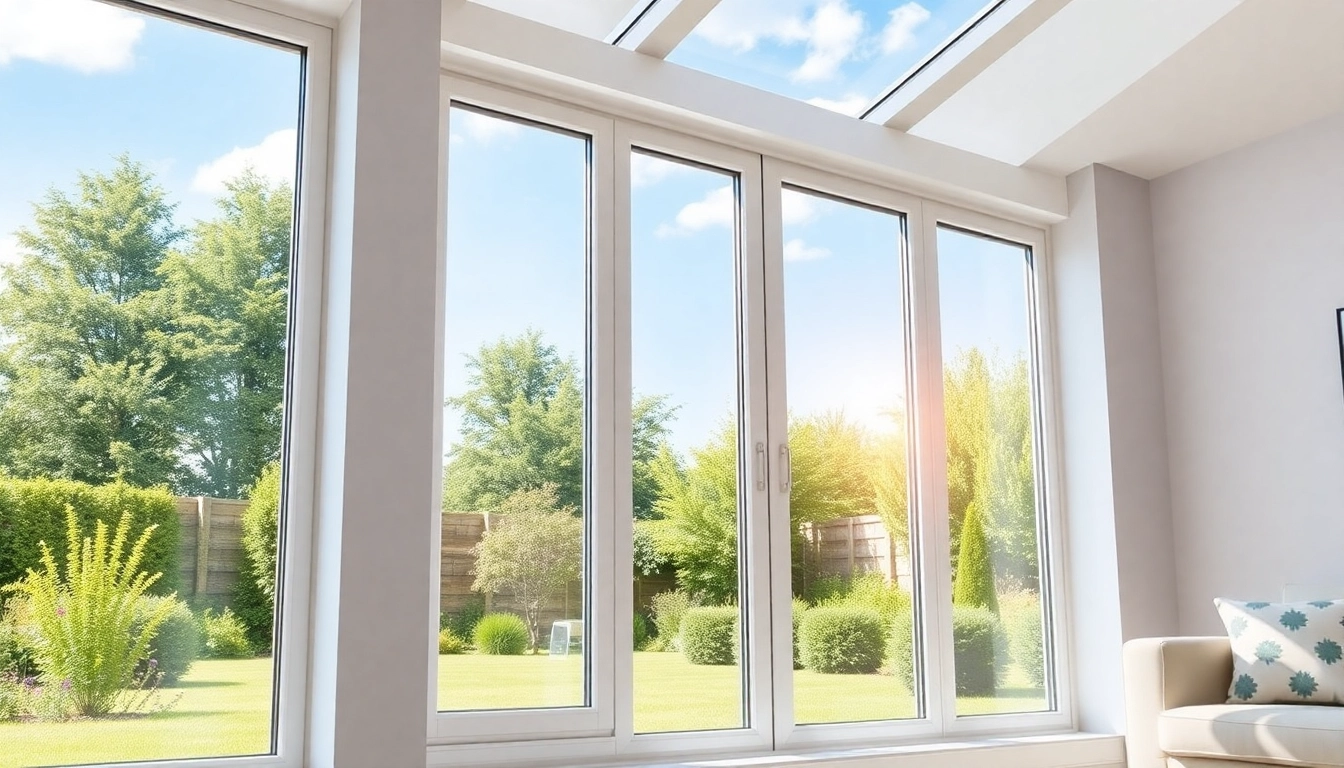
Double glazed windows, also known as insulated glazing, consist of two panes of glass separated by a space that is filled with argon gas or air. This configuration provides superior insulation compared to traditional single-pane windows, making them a preferred choice for homeowners looking to improve energy efficiency and comfort. The two panes of glass work together to reduce heat transfer and minimize noise, ultimately leading to a more sustainable home. Additionally, installations of double glazed windows have become increasingly popular in residential properties across various climates.
How Do Double Glazed Windows Work?
The effectiveness of double glazed windows lies in their construction. The two panes of glass create an airspace that serves as an insulating barrier, reducing heat loss in winter and blocking summer heat from entering the home. The type of gas used between the panes can also enhance insulation; argon is commonly used due to its non-toxic nature and low thermal conductivity. By trapping air in this space, double glazed windows significantly reduce convection currents that may otherwise contribute to heat transfer. This dynamic ensures that homes remain comfortable year-round while lowering energy bills.
Benefits of Double Glazed Windows
Opting for double glazed windows comes with a multitude of advantages:
- Energy Efficiency: By lowering the amount of heat lost during colder months, these windows can lead to substantial savings on energy bills.
- Noisy Environments: The design of double glazed windows helps to significantly reduce external noise, which is especially beneficial in urban settings.
- Increased Property Value: Energy-efficient upgrades like double glazing are attractive features for potential buyers, enhancing property values.
- Health Benefits: Improved insulation can lead to a more stable indoor climate, reducing health-related issues associated with extreme temperatures.
Energy Efficiency and Cost Savings
How Double Glazed Windows Reduce Energy Bills
The primary advantage of double glazed windows is their ability to reduce energy costs. Homes equipped with these windows experience less temperature fluctuation, which means heating systems do not have to work as hard to maintain comfortable indoor conditions. According to studies, homeowners can save up to 20% on heating costs after installing double glazing. This financial benefit, combined with available government incentives, makes the initial investment even more attractive.
Environmental Impact of Double Glazed Windows
By improving energy efficiency, double glazed windows also play a significant role in carbon footprint reduction. When buildings require less energy to heat and cool, the overall demand on power plants decreases, resulting in fewer greenhouse gas emissions. This environmental impact contributes to the global effort in combating climate change and promoting sustainable living.
Cost Comparison with Single Glazed Windows
While the cost of installing double glazed windows may initially appear steep compared to single glazed options, long-term savings often outweigh the upfront expenditure. On average, double glazing can cost anywhere from 20% to 30% more than single glazing, but the energy savings, soundproofing, and enhanced comfort justify this cost over time. For homeowners considering a renovation, double glazing is an investment that pays dividends.
Installation of Double Glazed Windows
Choosing the Right Double Glazed Windows
When selecting double glazed windows, various factors need to be considered, including:
- Frame Material: Options include wood, uPVC, aluminum, and composite materials, each offering distinct benefits in terms of aesthetics and insulation.
- Window Style: Choose from casement, sliding, awning, or fixed windows based on functionality and design preferences.
- Energy Ratings: Look for windows with a high energy efficiency rating, usually designated by the BFRC (British Fenestration Rating Council).
Installation Process Explained
Installing double glazed windows involves several steps:
- Measurement: Accurate measurements of existing frames or openings are essential for proper fit.
- Removal: Old windows must be carefully removed to minimize damage to surrounding walls.
- Fitting: The new double glazed windows are installed, ensuring proper sealing to prevent drafts.
- Finishing: Any necessary trim or caulk is applied for aesthetic appeal and efficiency.
Maintenance Tips for Double Glazed Windows
To ensure longevity, regular maintenance of double glazed windows is essential:
- Cleaning: Use a soft cloth and mild detergent for cleaning the glass surfaces. Avoid abrasive cleaners that could scratch the glass.
- Inspect Seals: Regularly check the seals around the frame and replace any damaged or worn seals to maintain insulation properties.
- Check for Moisture: If condensation appears between the window panes, it may indicate a failure in the seal, necessitating professional inspection.
Common Myths About Double Glazed Windows
Myth: Double Glazed Windows Are Too Expensive
While double glazed windows may involve higher initial costs compared to single glazing, the long-term savings on energy bills and the increase in property value debunk this myth. Over time, homeowners can see substantial returns on their investment due to reduced energy costs.
Myth: Double Glazed Windows Are Noisy
In fact, double glazed windows are designed to significantly lessen outside noise. The soundproofing properties come from the two layers of glass and the air space between them, making them ideal for homes in busy areas.
Myth: Installation Is Complicated
With professional help, the installation of double glazed windows can be straightforward and efficient. Experienced installers will ensure that windows fit perfectly and are sealed properly.
FAQs About Double Glazed Windows
What are the disadvantages of double glazed windows?
Some disadvantages include a higher initial cost and potential issues with condensation. If the seals fail, they may require replacement. Additionally, they may not suit every architectural style.
How much do double glazed windows cost?
The cost of double glazed windows varies based on size, material, and customization but typically ranges from £700 to £1,800 for uPVC casement windows. Installation costs can also affect the total.
What’s the difference between double-pane and double-glazed windows?
Double-glazed windows refer generally to insulated windows with two panes of glass. Double-pane indicates the same but is often used interchangeably in various contexts.
How long do double glazed windows last?
On average, double glazed windows can last between 20 to 35 years, depending on maintenance and environmental conditions. Regular upkeep can extend their lifespan.
Can double glazed windows be repaired?
While repairs are possible, such as replacing seals or components, entire units often need replacement if seals fail, as moisture may compromise insulation performance.