The Benefits of Giant Building Blocks for Kids
Physical Development
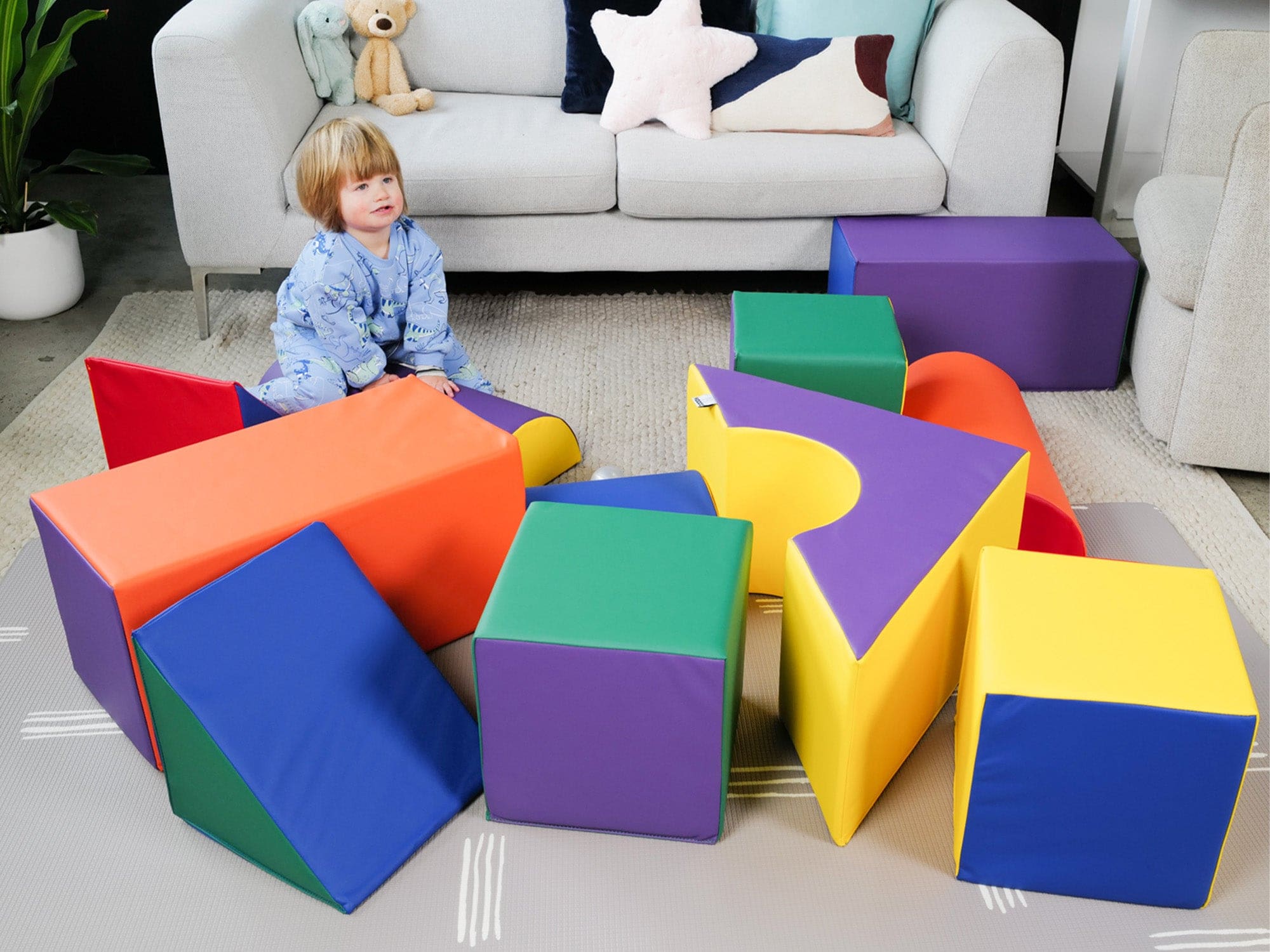
Giant building blocks are not merely toys; they serve as powerful tools for enhancing children's physical development. When children engage in building activities, they use large arm movements to lift, stack, and arrange blocks, which helps in developing their gross motor skills. The coordination required for manipulating large objects enables children to strengthen their muscles and improve balance.
Moreover, the tactile experience of handling these blocks allows kids to refine their fine motor skills. Activities like grasping, pressing, and fitting blocks together engage the smaller muscles in their hands and fingers, which are essential for later tasks such as writing and self-care. Incorporating giant blocks into playtime not only encourages movement but also promotes a more active lifestyle, essential in combating sedentary habits in the early years.
Cognitive Growth
Building an edifice with giant blocks encourages critical thinking and problem-solving. As children strategize how to balance blocks and create upright structures, they inherently learn about physics concepts such as balance, symmetry, and gravity. Each building session can serve as a mini-experiment where children hypothesize which configurations will work and which won't, therefore encouraging trial and error.
Additionally, imaginative play is a crucial component of cognitive development. Children can express their ideas and creativity through block construction, which not only showcases their artistic inclinations but also augments their intrinsic motivation to learn. By challenge and exploration, they develop spatial awareness and improve their ability to visualize, laying the groundwork for future academic skills in subjects such as math and engineering.
Social Skills Enhancement
Playing with giant building blocks provides ample opportunities for social interaction, thus enhancing children's social skills. Group building activities encourage teamwork, communication, and cooperation. Children learn to express their ideas clearly while also listening to others, enabling them to build mutual respect and empathy.
When children collaborate on a building project, they experience both leadership and followership roles, which are essential to understanding diverse perspectives. Managing conflicts during play introduces negotiation skills and problem resolution, vital for social maturity. Furthermore, the satisfaction of creating something together adds to their social bonding and camaraderie.
Choosing the Right Giant Building Blocks
Materials and Safety Standards
When selecting giant building blocks, ensuring safety should be the foremost consideration. Opt for blocks made from non-toxic materials that are free of harmful chemicals. Many manufacturers adhere to safety regulations, but it's wise to check for certifications that indicate compliance with mandatory safety standards.
While plastic is a common material due to its durability, some wooden blocks provide an organic tactile experience. Ensure that any wood used is sanded down properly, avoiding splinters. Softer building materials can be great for younger children where the risk of injury is higher, as they minimize the chance of accidents during vigorous play. For additional information on building block safety, always refer to reliable resources.
Size and Shape Considerations
The size and shape of building blocks play a pivotal role in the complexity of the creations they can produce. Blocks that are too small may pose choking hazards, while overly large blocks can be cumbersome for young children. Consider children’s age and physical development when selecting blocks, opting for sizes that are easy to grasp yet offer enough challenge to encourage skill progression.
Shapes can also vary significantly—from basic square and rectangular blocks to more intricate geometric forms. Incorporating diverse shapes expands the building possibilities and stimulates creativity. Remember that a well-rounded set should include a variety of sizes and shapes so children can experiment with different designs.
Color Variety and Engagement
Color plays an essential role in children's engagement and cognitive development. Brightly colored giant blocks attract children's attention and stimulate interest, encouraging them to explore and manipulate their environment. Using color can help facilitate learning by teaching children to categorize and identify, thereby enhancing their cognitive skills.
Additionally, companies often offer blocks in various color schemes, each appealing to different age groups or developmental stages. A diverse color set can also inspire creativity, as children can use colors in storytelling or themed building sessions, enhancing their overall playtime experience.
Creative Play Activities with Giant Blocks
Collaborative Building Challenges
Creating collaborative building challenges can harness teamwork and creativity. Set up a friendly competition where children are divided into teams with the task of constructing the tallest tower or the sturdiest bridge. Such challenges promote planning and discussion, as team members must strategize and rediscover their collective ideas to succeed.
This teamwork-oriented challenge helps cultivate communication skills, reinforcing the idea that collaboration can lead to better outcomes than working alone. Tracking progress against each team enhances measurement and reflection, nurturing critical thinking about structural stability and design techniques.
Themed Play Sessions
Themed play sessions can provide a structured yet creative outlet for children. For instance, organizing a "castle building day" allows children to use their imaginations by creating elaborate fortresses inspired by their favorite stories or games. These specific themes can facilitate deeper engagement and allow them to immerse themselves in imaginary worlds.
The integration of storytelling enhances cognitive skills as children visualize their creations. This method promotes narrative thinking and allows children to articulate their thoughts and share stories about their constructed worlds, significantly enriching the play experience.
Incorporating Storytelling
Storytelling can be seamlessly integrated into block building activities, heightening the imaginative power of play. Children can create settings for their favorite characters, leading to an enriched narrative experience that bridges creativity with critical thinking. When children build their scenarios based on stories they know—or invent new ones—they deepen their understanding of plot, setting, and character development.
Encouraging children to tell tales about their structure while they build fosters language skills, as they must articulate their visions. This imaginative play allows them to explore language subtleties and advance their communication skills, promoting active engagement.
Setting Up an Indoor Adventure Space
Designing the Play Area
Establishing an indoor adventure space requires thoughtful consideration of design elements to enhance play opportunities. A dedicated area with ample space encourages children to explore their creativity without feeling restricted. Soft flooring, such as foam mats or carpets, can provide cushioning for when kids tumble or fall, reducing injury risks.
Create defined zones for different activities—perhaps one area for building, another for reading, and a soft corner for resting. This layout can foster a balanced environment, promoting both physical and mental development as children can easily transition between activities while having the freedom to express themselves fully.
Safety Measures and Guidelines
Safety is paramount when setting up indoor play spaces. Establish guidelines that children learn to follow, addressing how to safely handle blocks and respect play areas. Regularly check for block wear or damage to prevent injuries from broken pieces.
Additionally, ensuring that the space is free from sharp corners, hazardous objects, and trip hazards fosters better play experiences. Supervise younger children during playtime, guiding them on safety while facilitating their exploration within boundaries.
Essential Equipment and Accessories
To enhance the experience of building with giant blocks, consider integrating various accessories that can offer additional learning opportunities. Mats that display patterns or outlines can serve as templates for children to build upon, helping develop spatial awareness.
Incorporate other toys or tools, like toy figures or vehicles, that can propel children's imaginations further. The overall aim should be to establish an engaging environment where children can explore, create, and collaborate—all while maximizing their developmental potential through play.
FAQs about Giant Building Blocks
What age group is best for giant building blocks?
Giant building blocks are ideal for toddlers and preschoolers, typically ages 2-5, as they promote both motor skills and cognitive development through active play.
How do giant blocks help with child development?
They support physical, cognitive, and social development by improving motor skills, encouraging problem-solving, and fostering cooperation during group play activities.
Are giant building blocks safe for indoor use?
Yes, giant building blocks are designed for indoor use when made from non-toxic materials and following safety standards, making them safe for children's play.
Can giant building blocks be used outdoors?
Absolutely! Giant building blocks are versatile and can be used outdoors, although should be made from weather-resistant materials if exposed to the elements.
How to encourage creative play with building blocks?
Encourage creative play by introducing themes, setting challenges, and integrating storytelling, which helps ignite children's imagination and engagement.